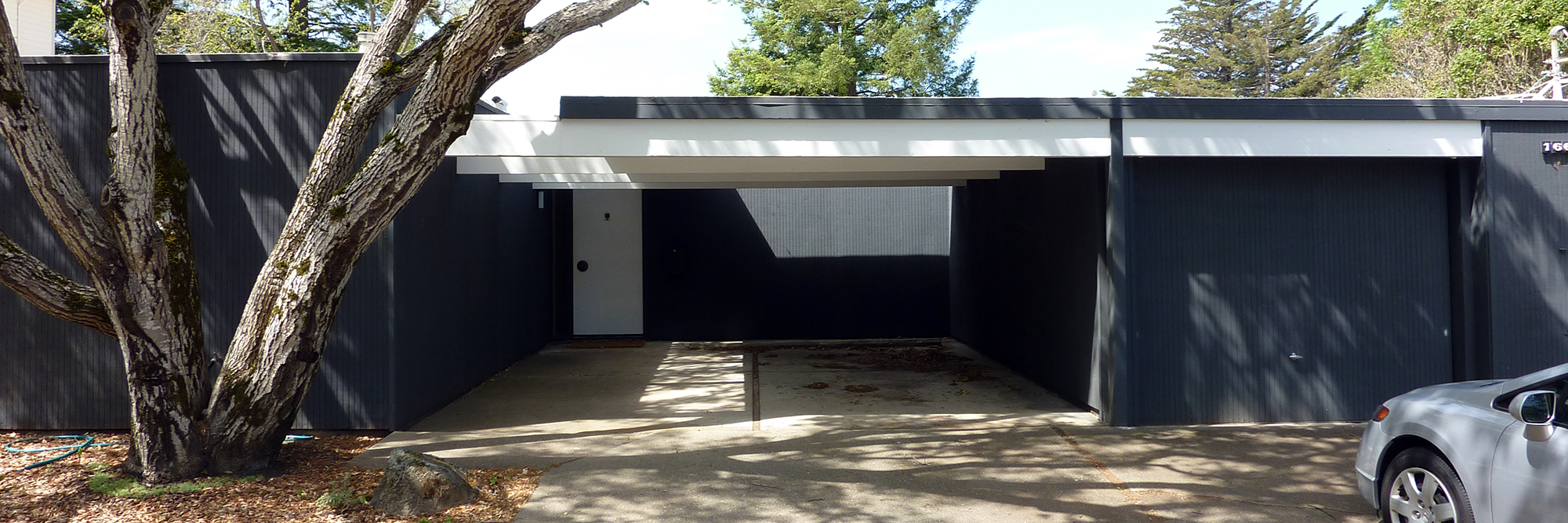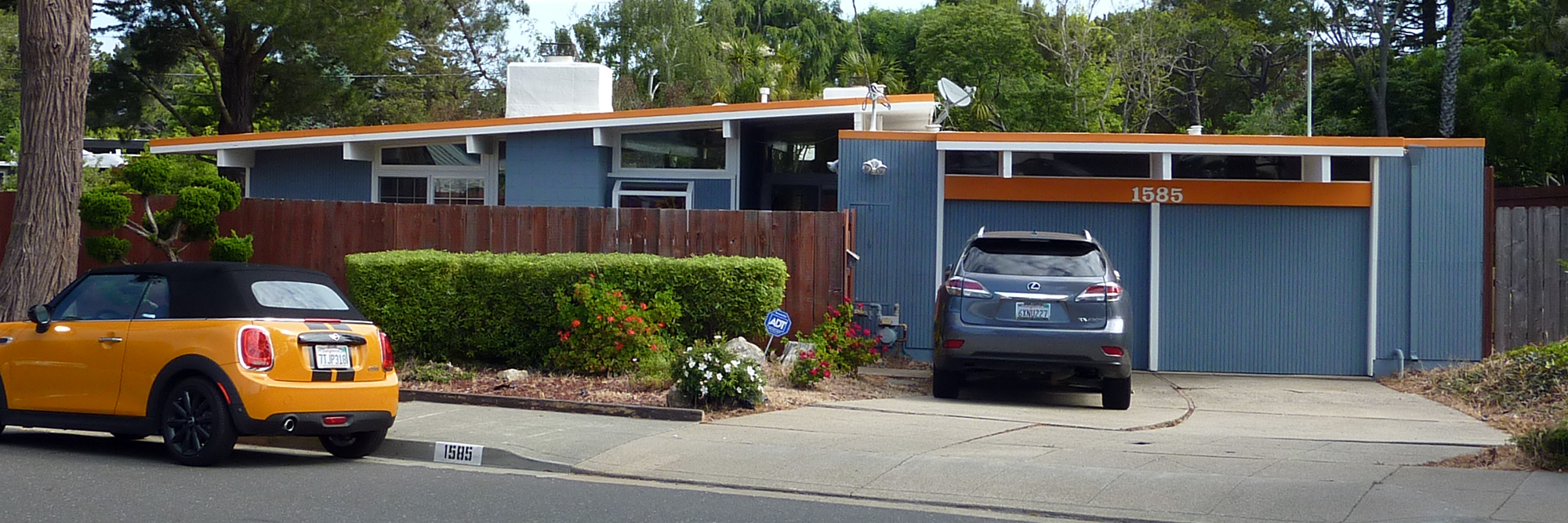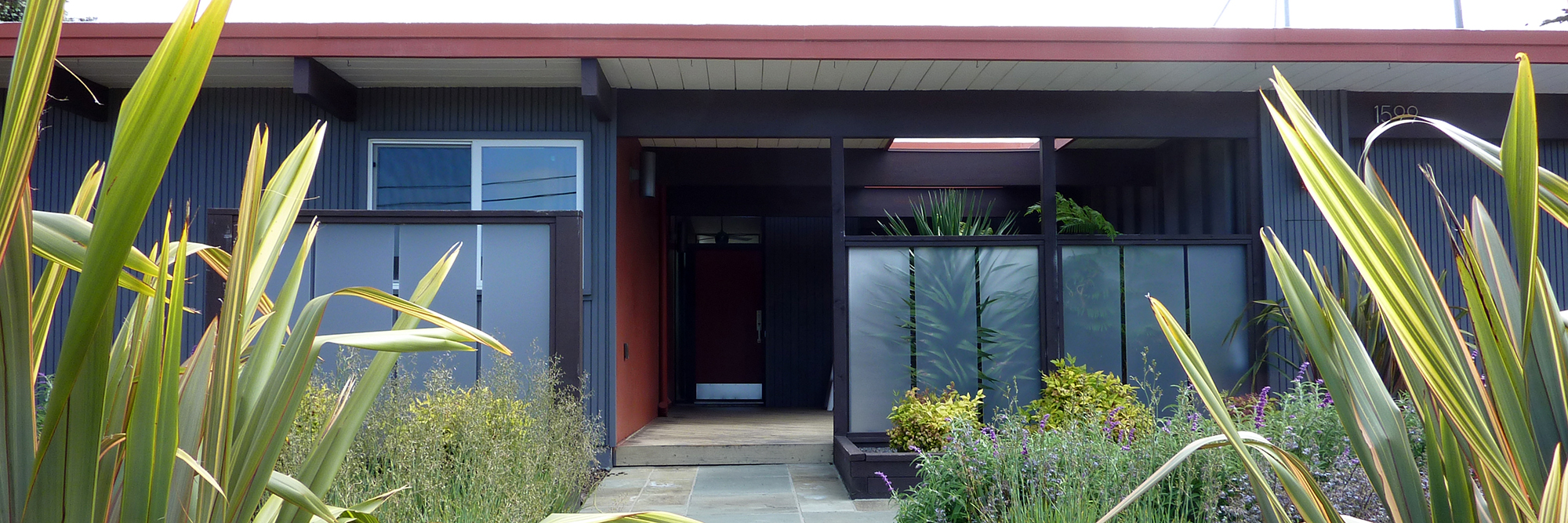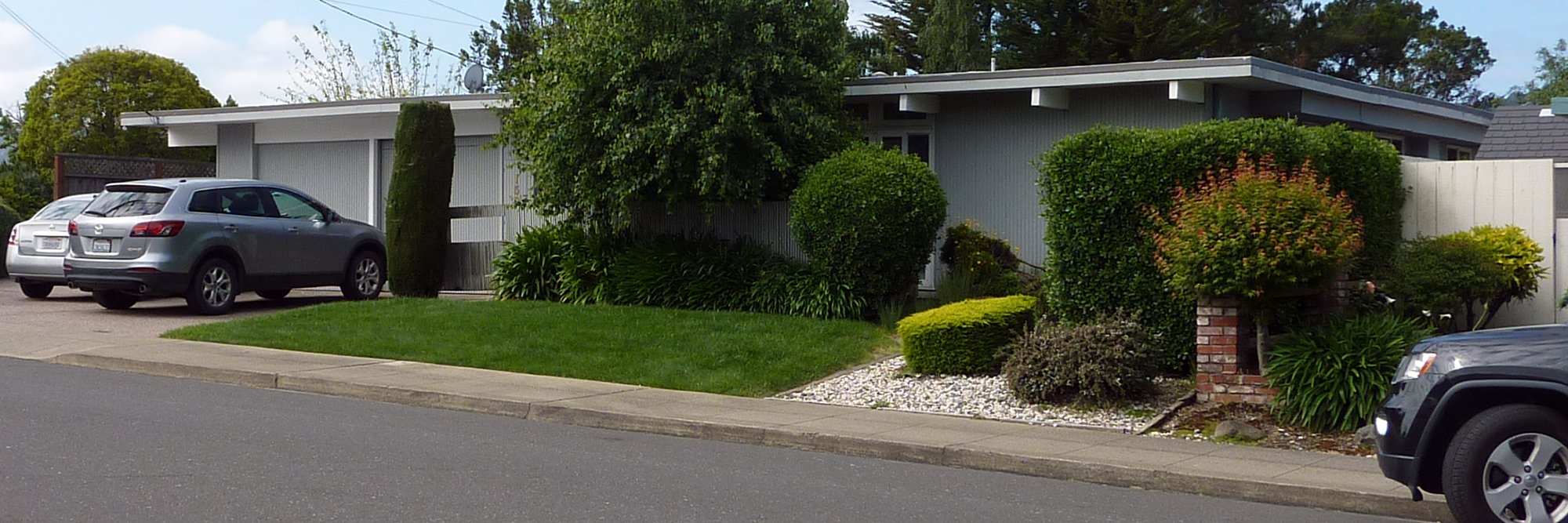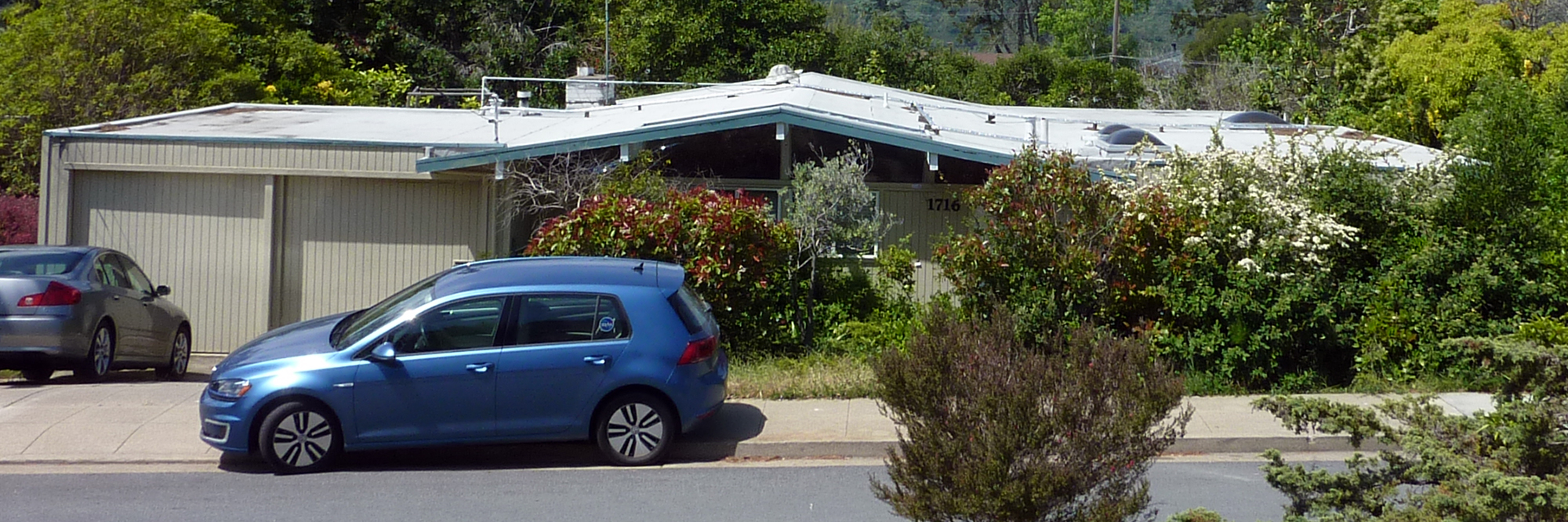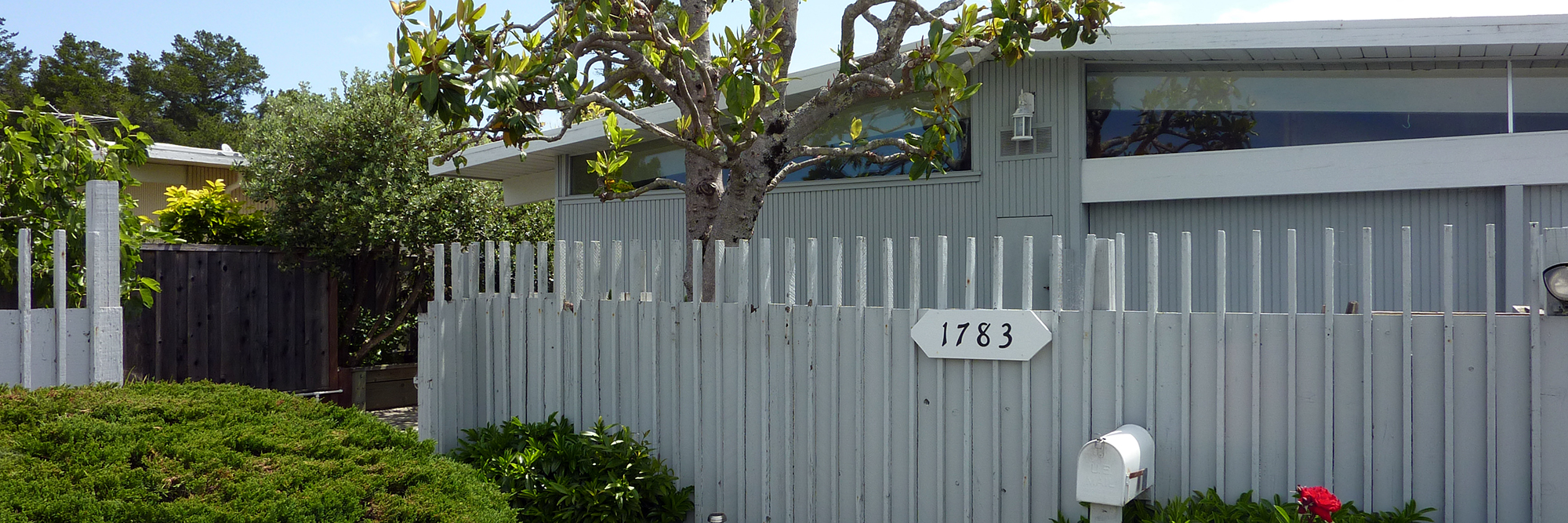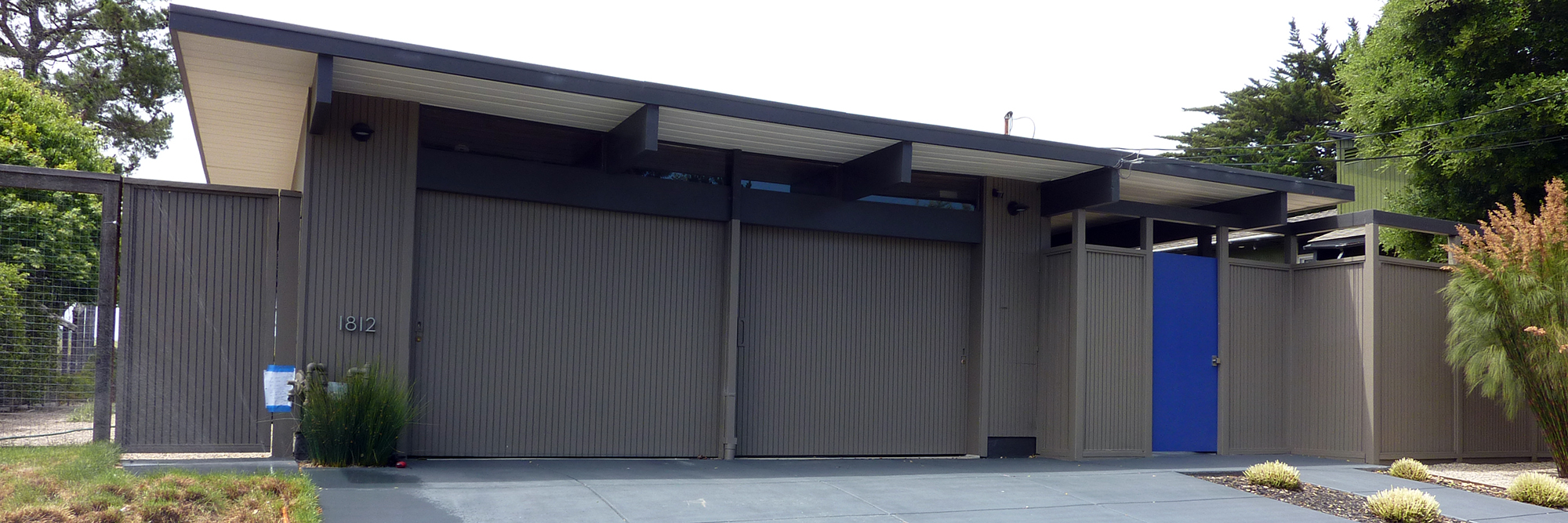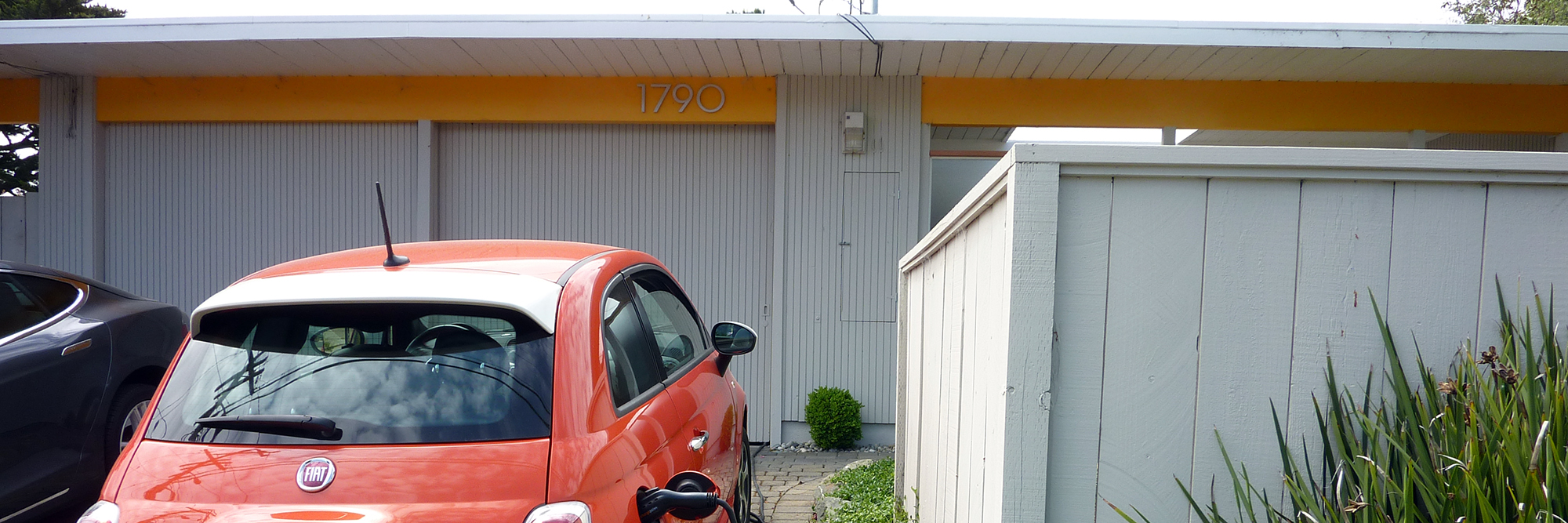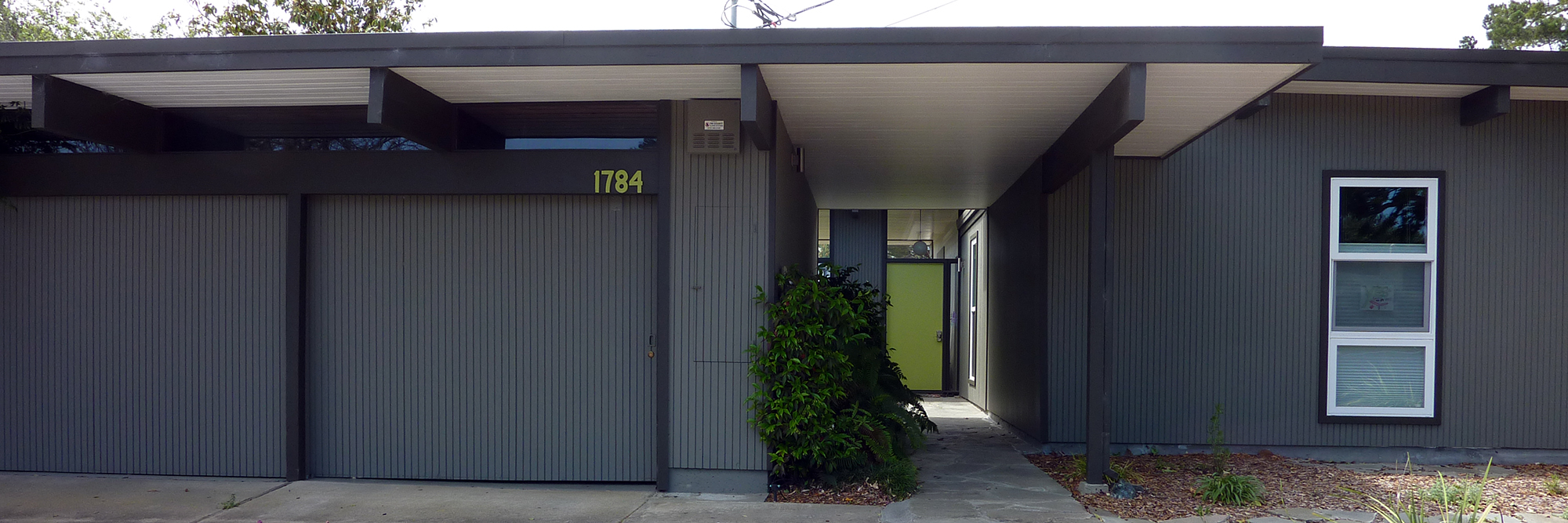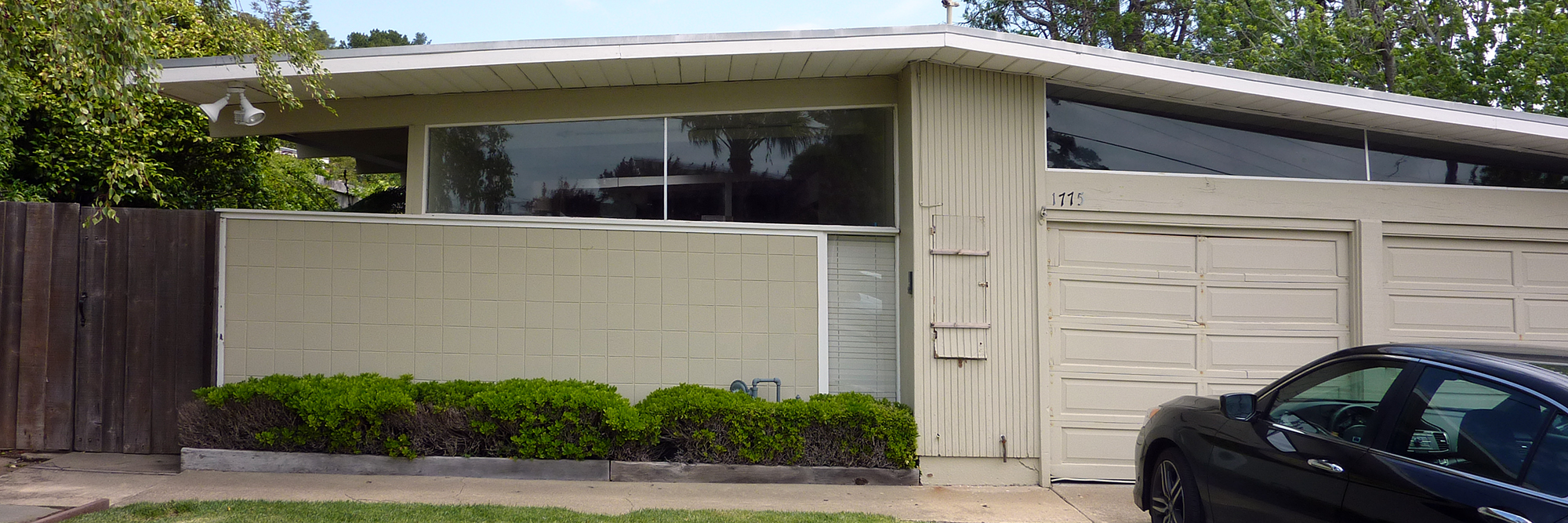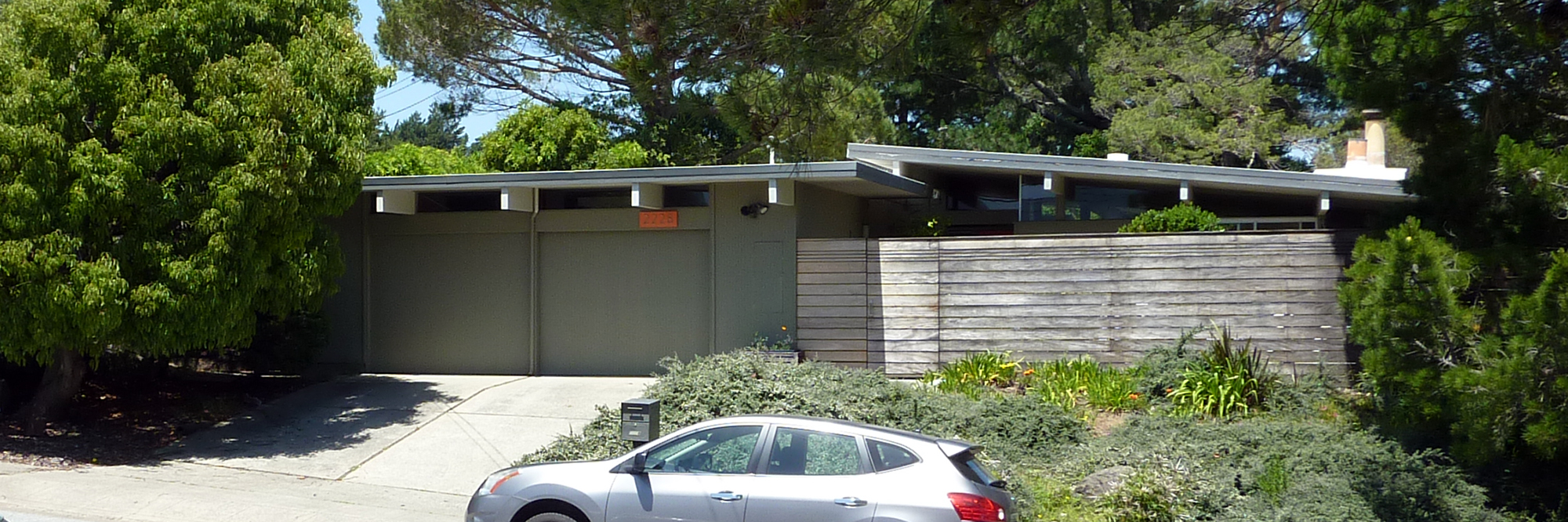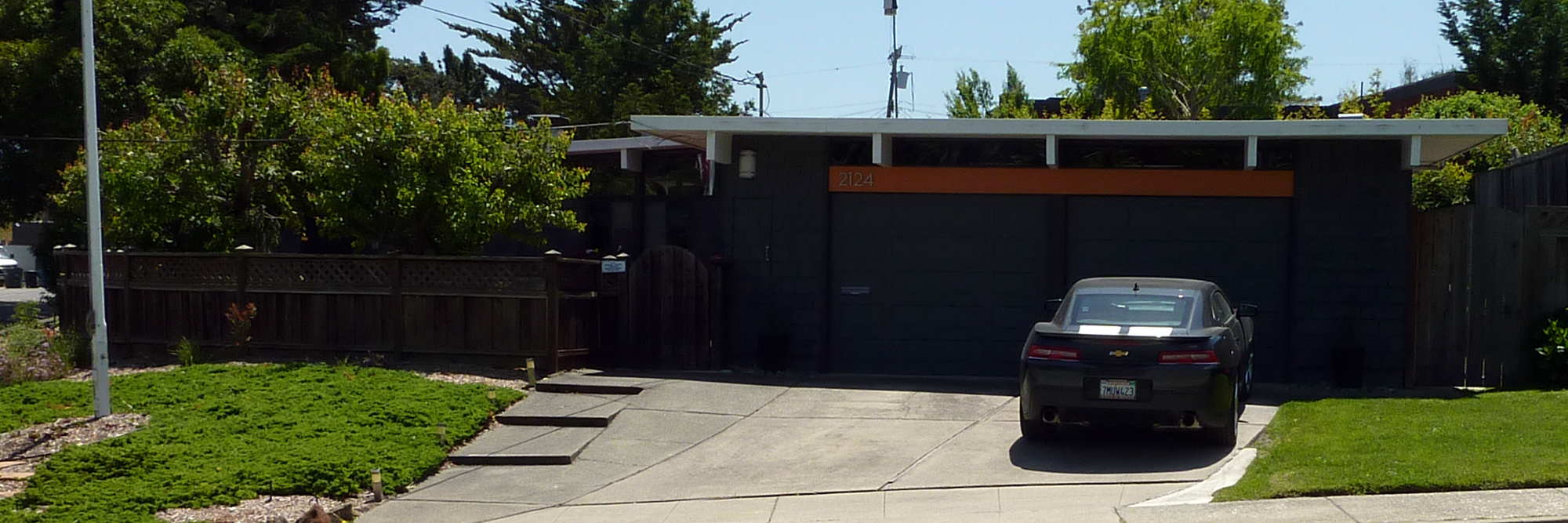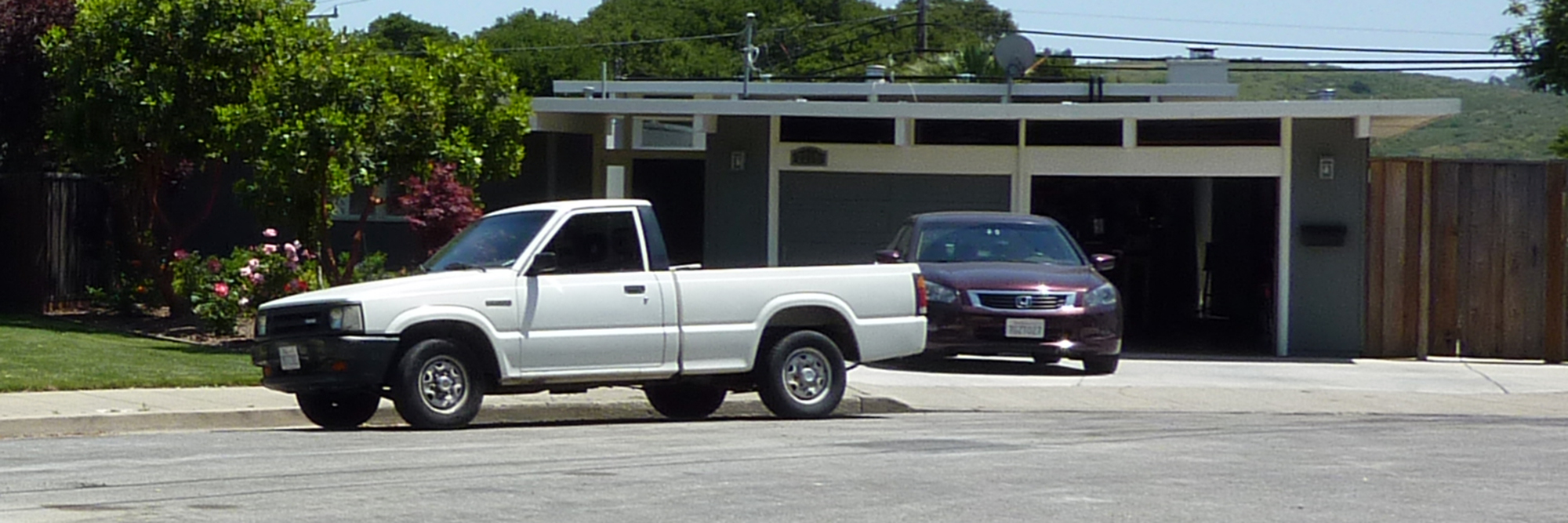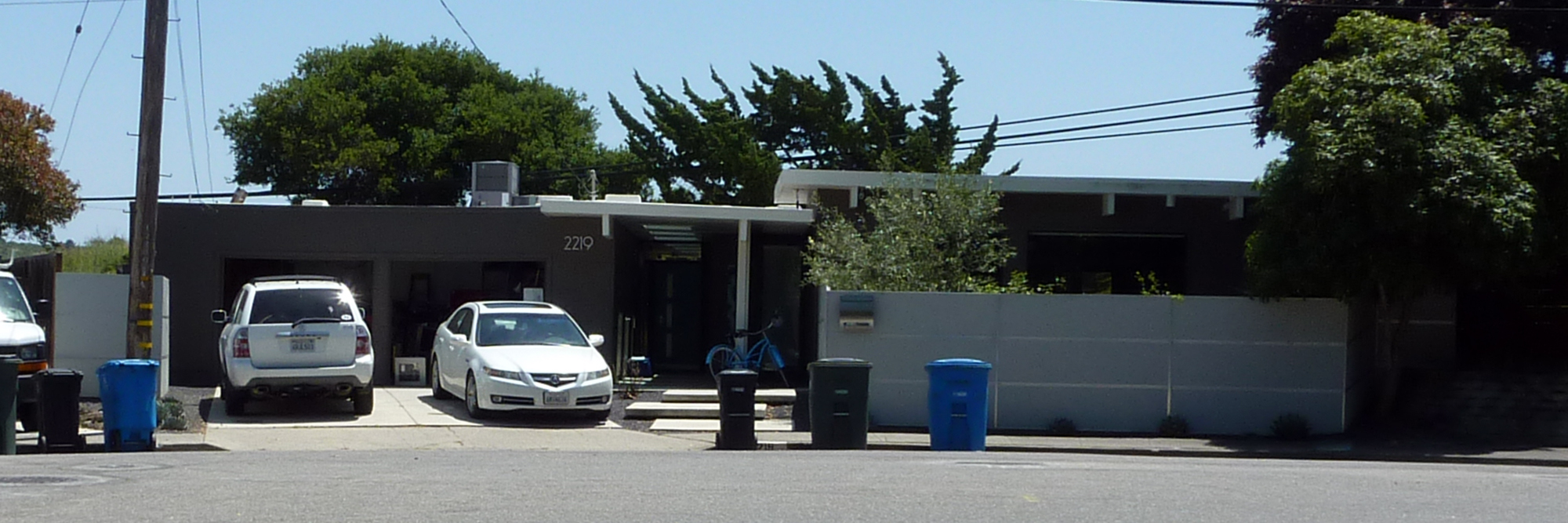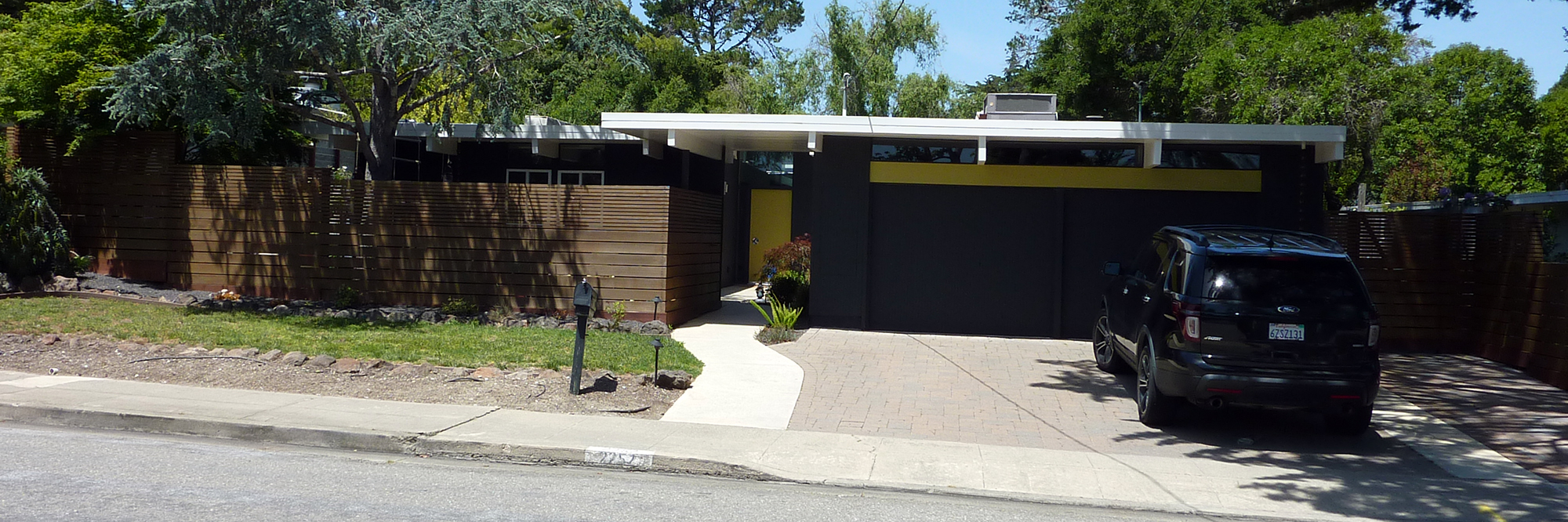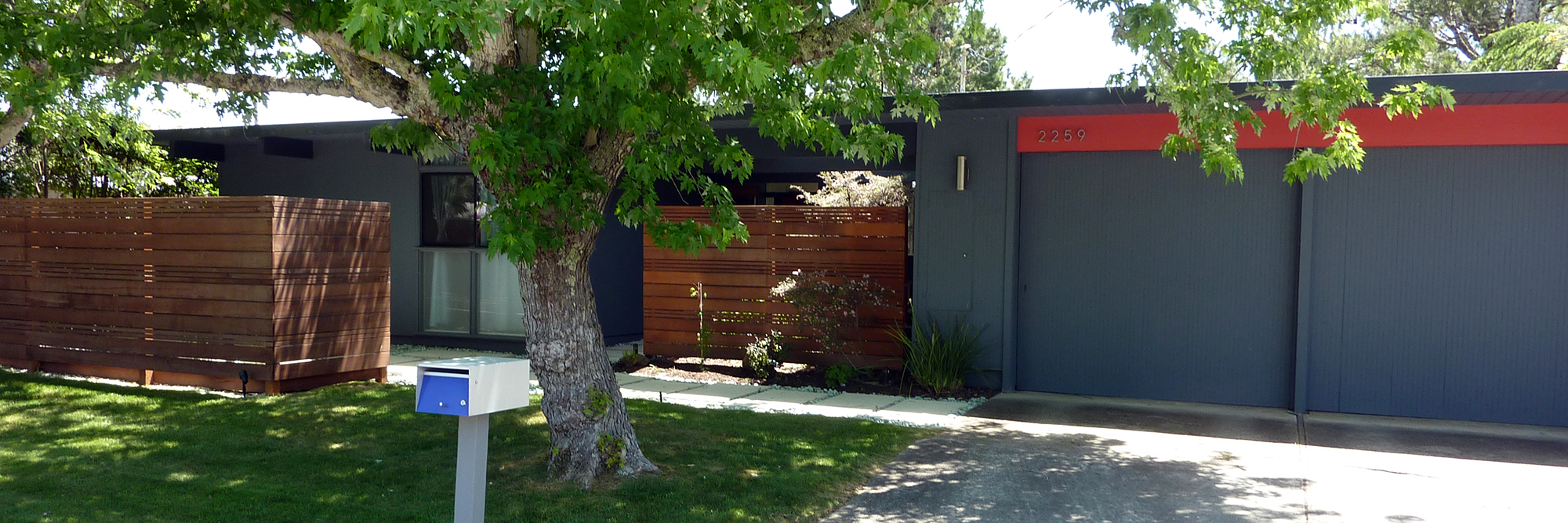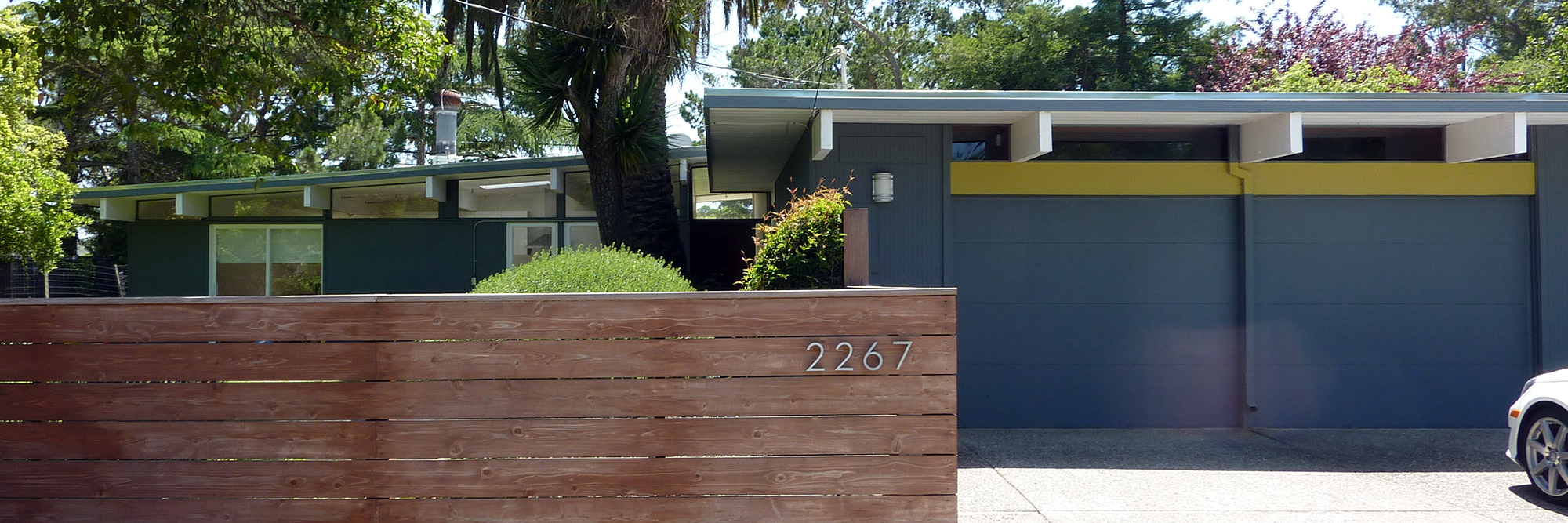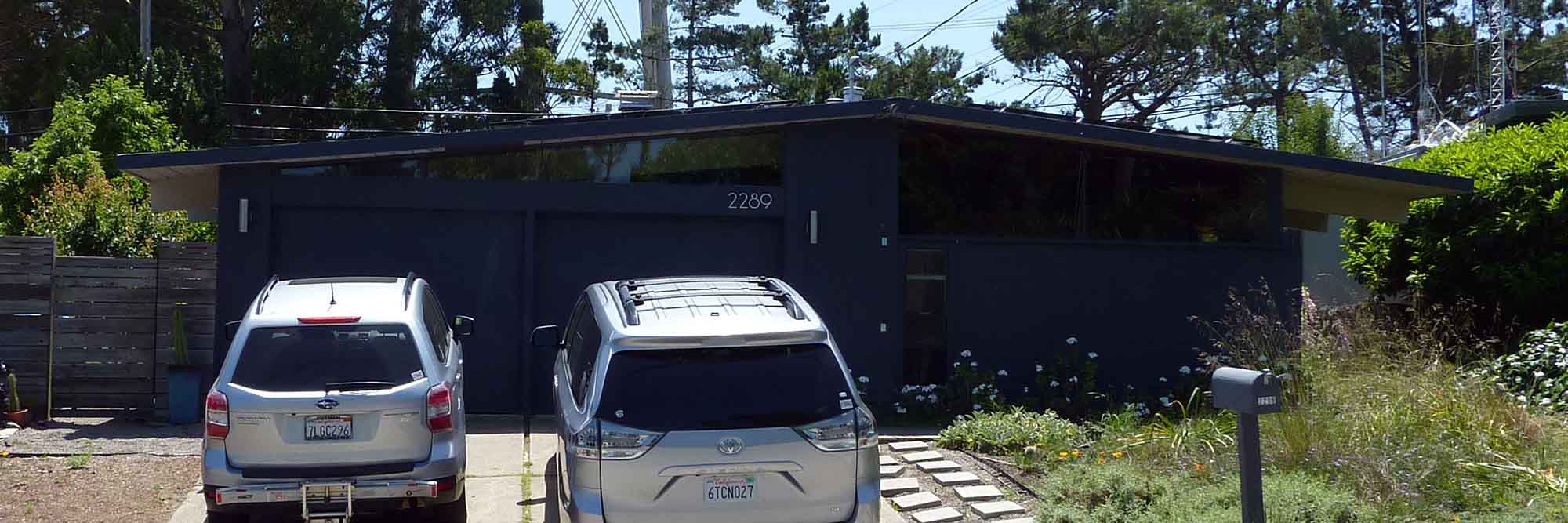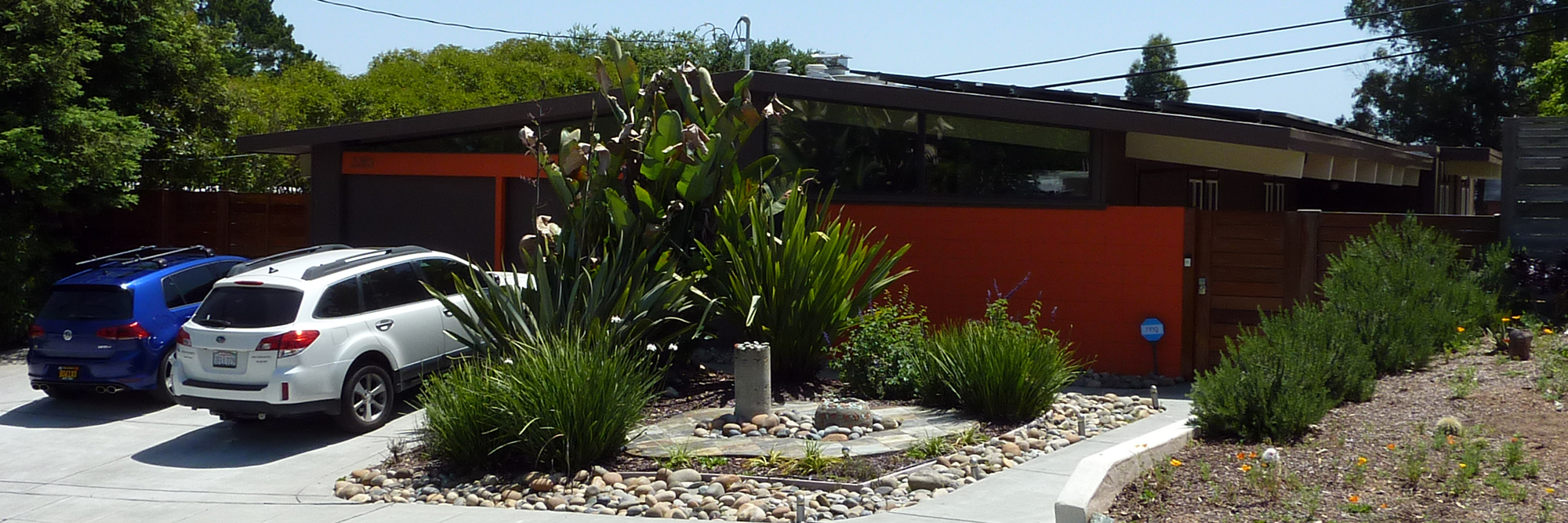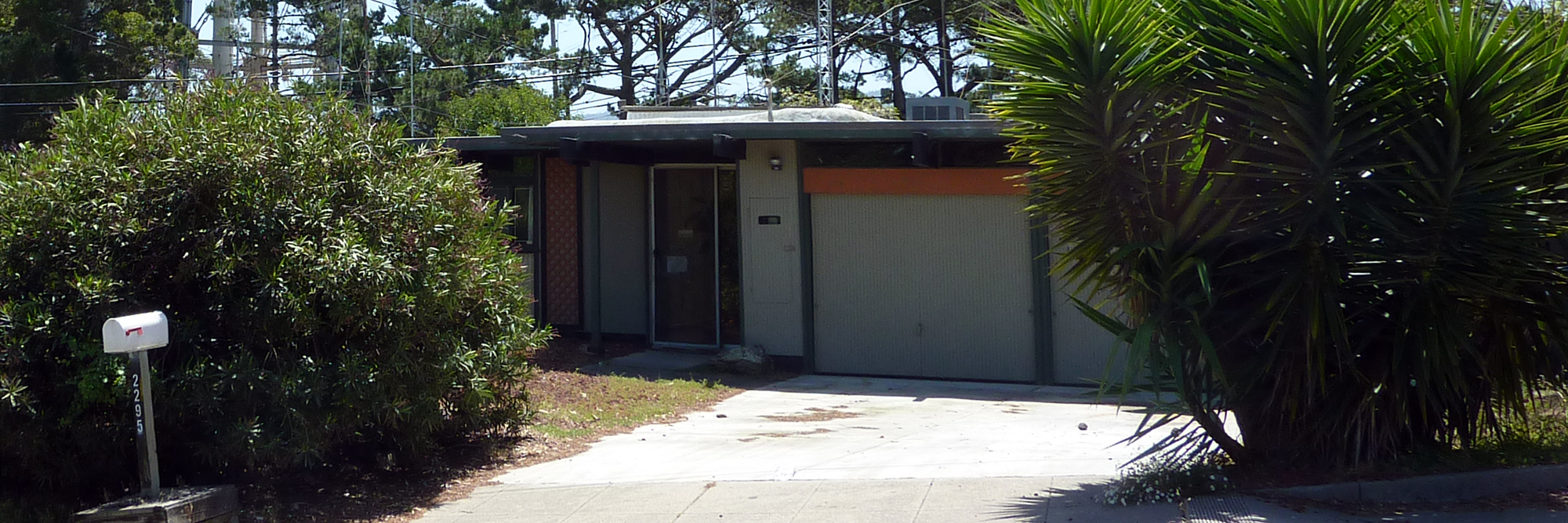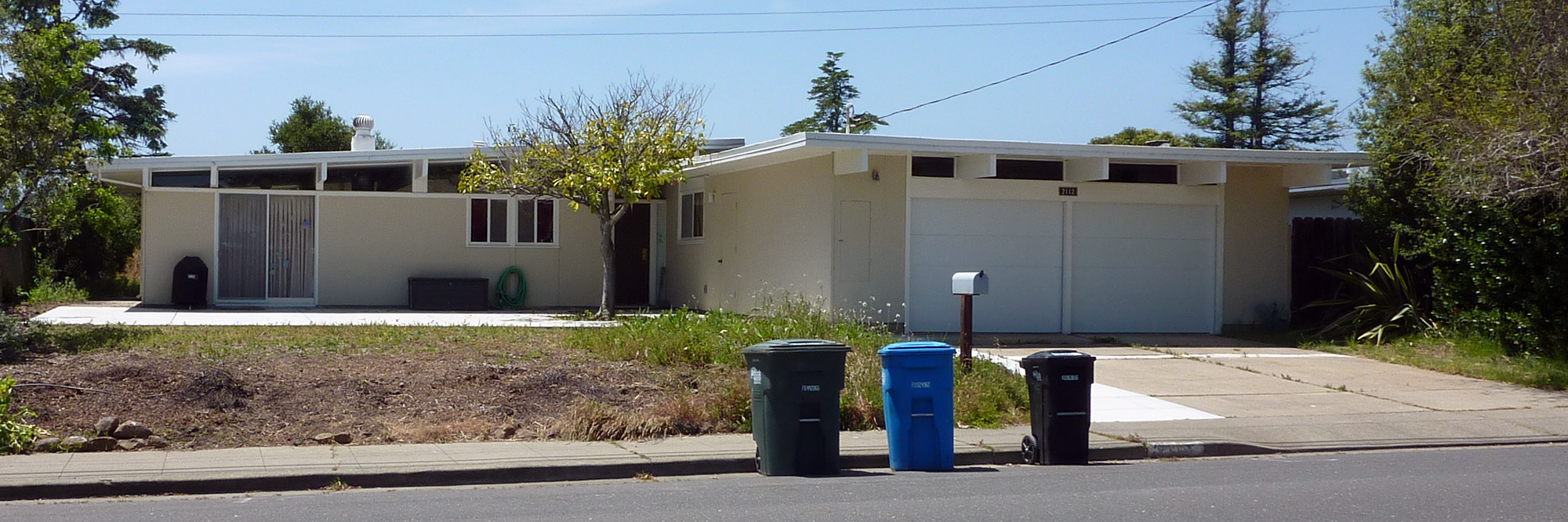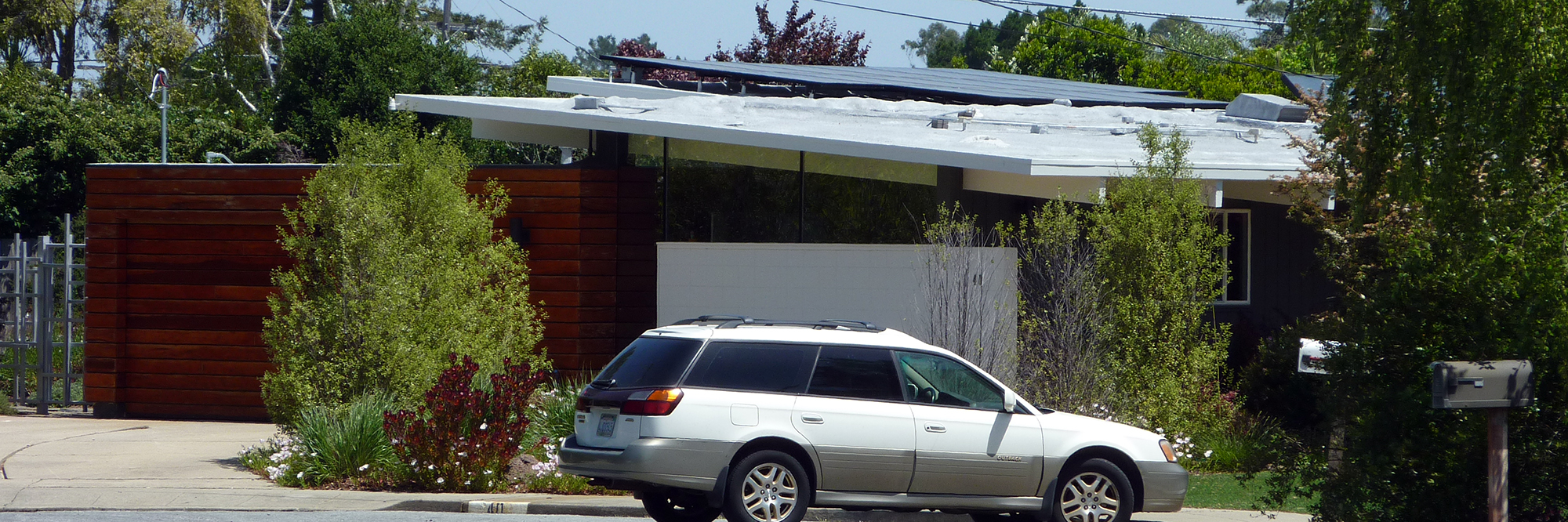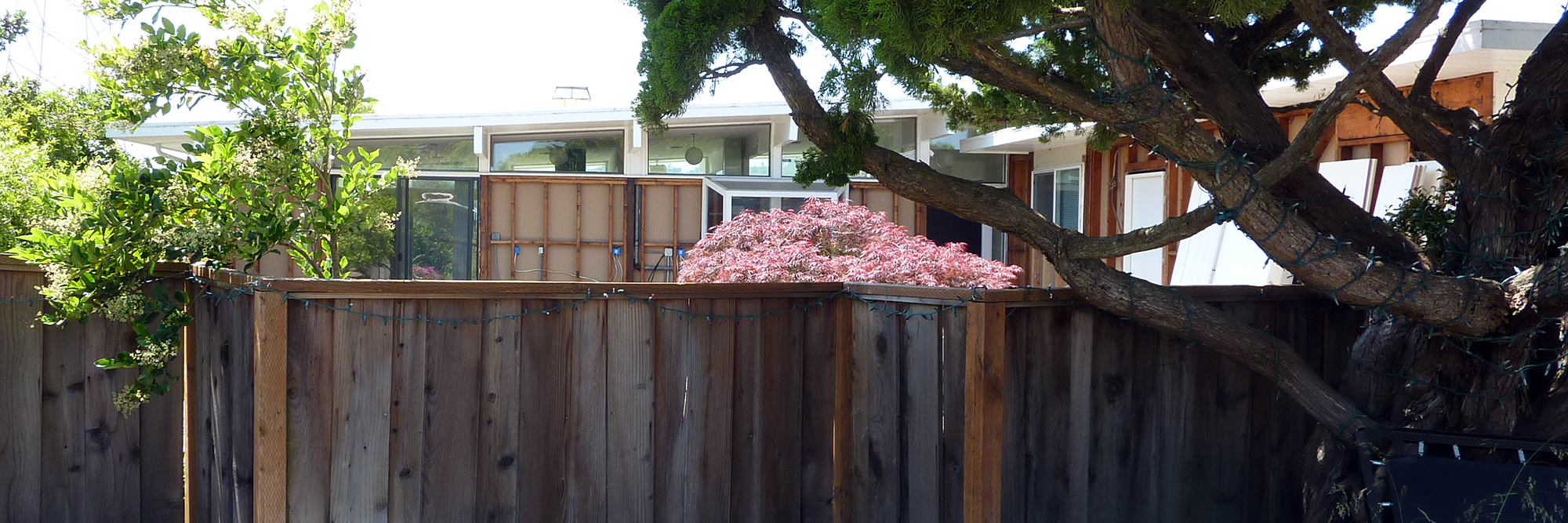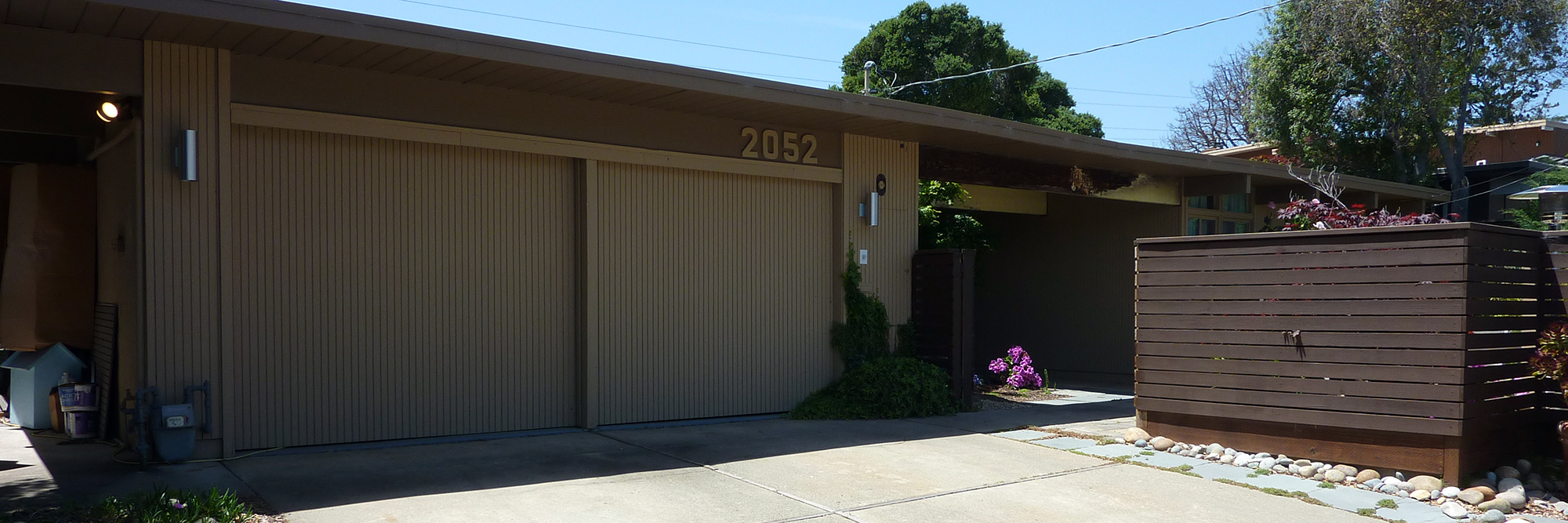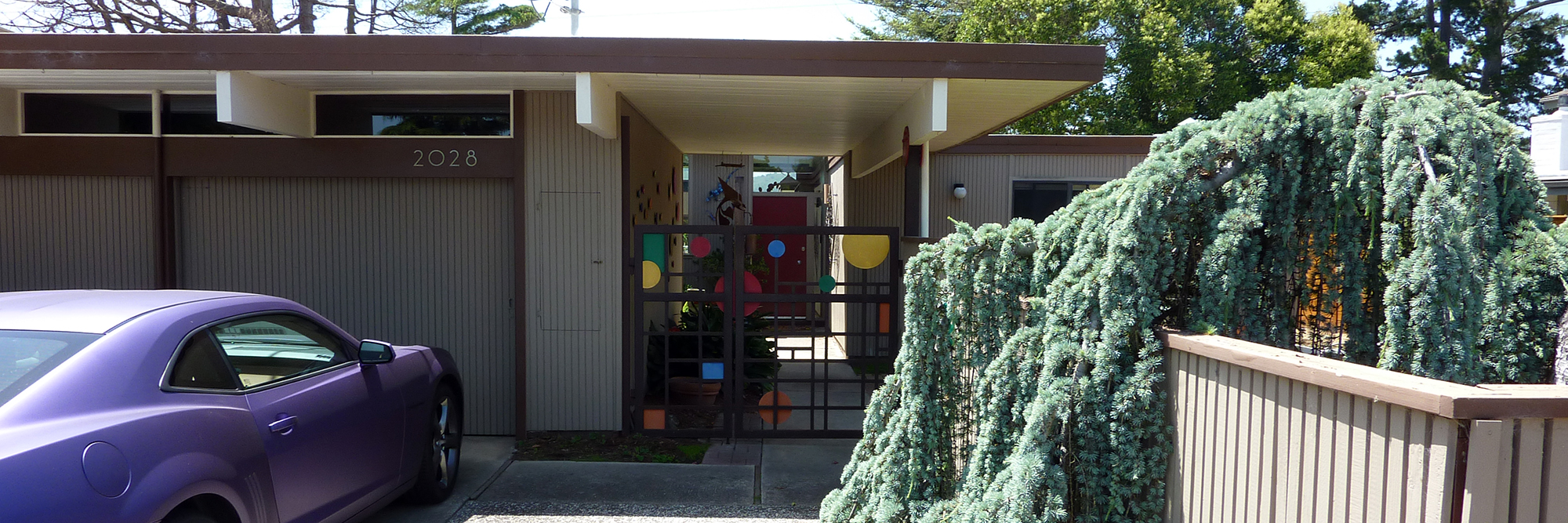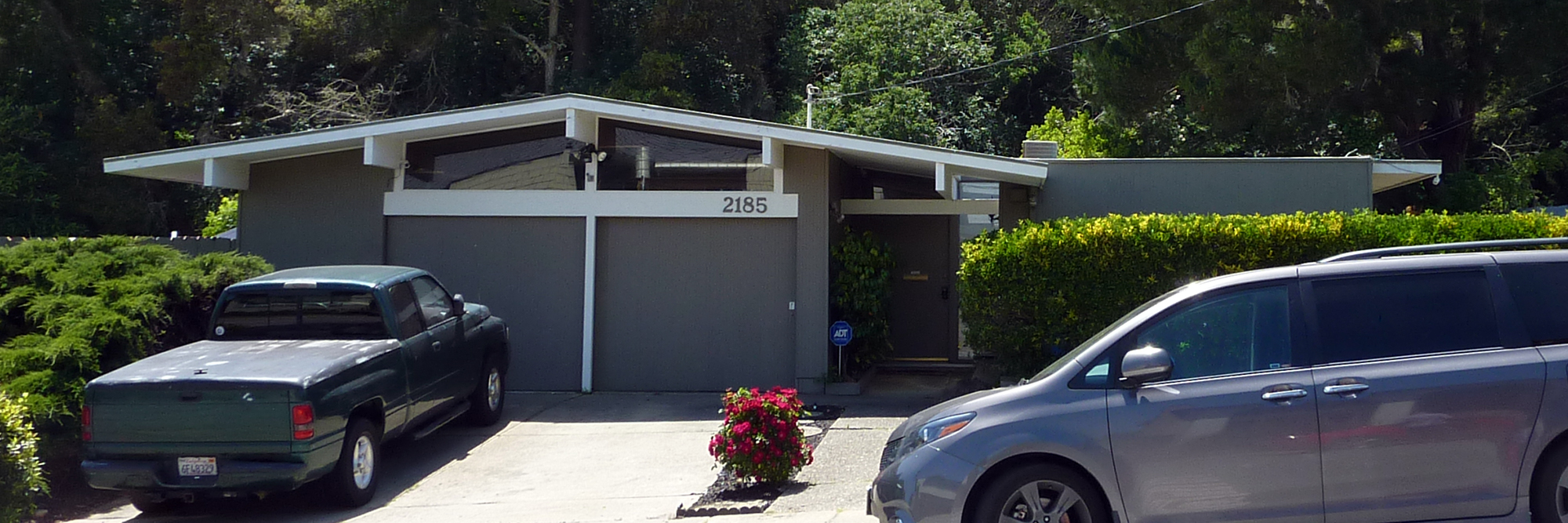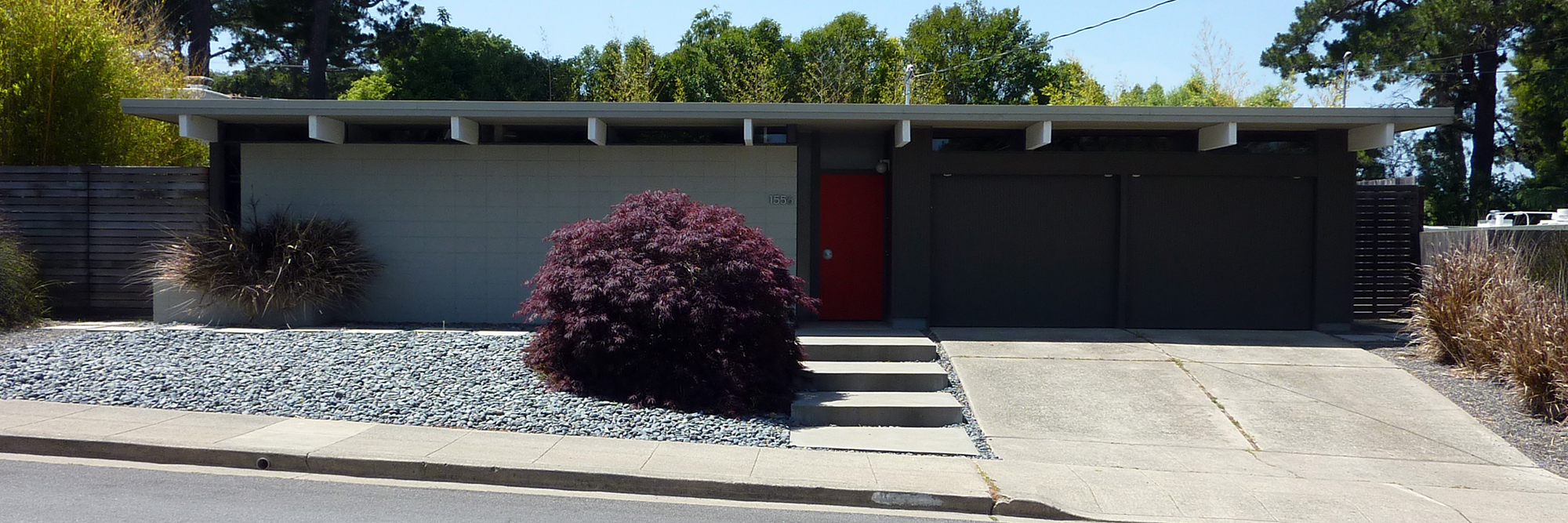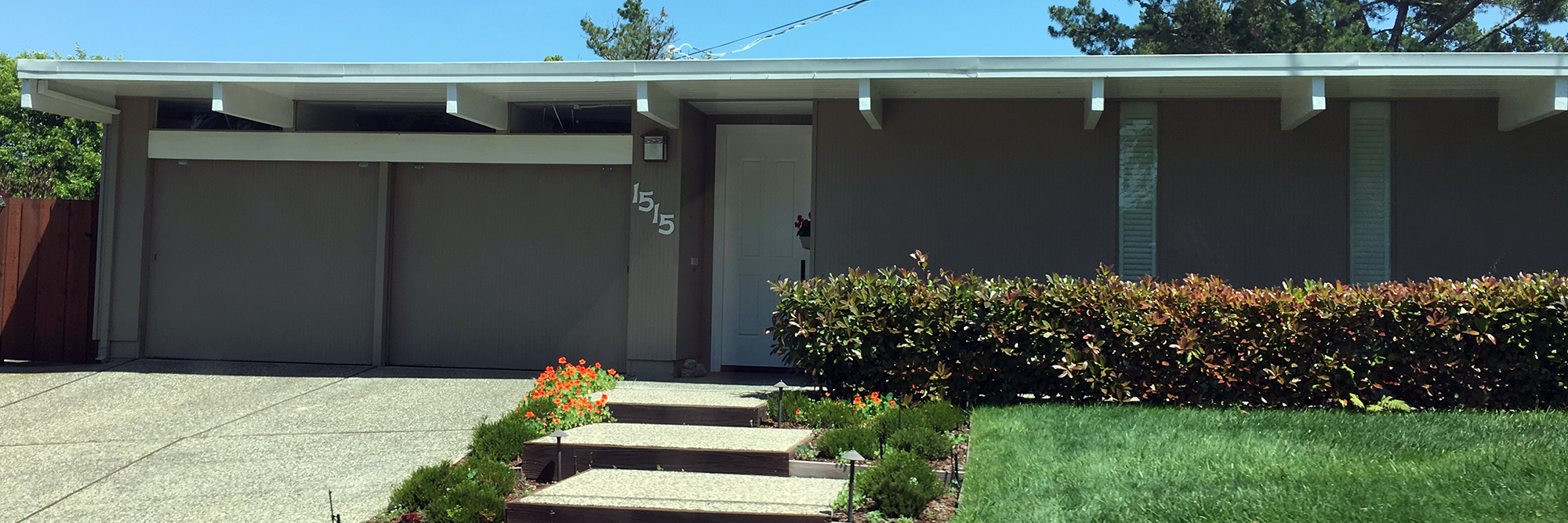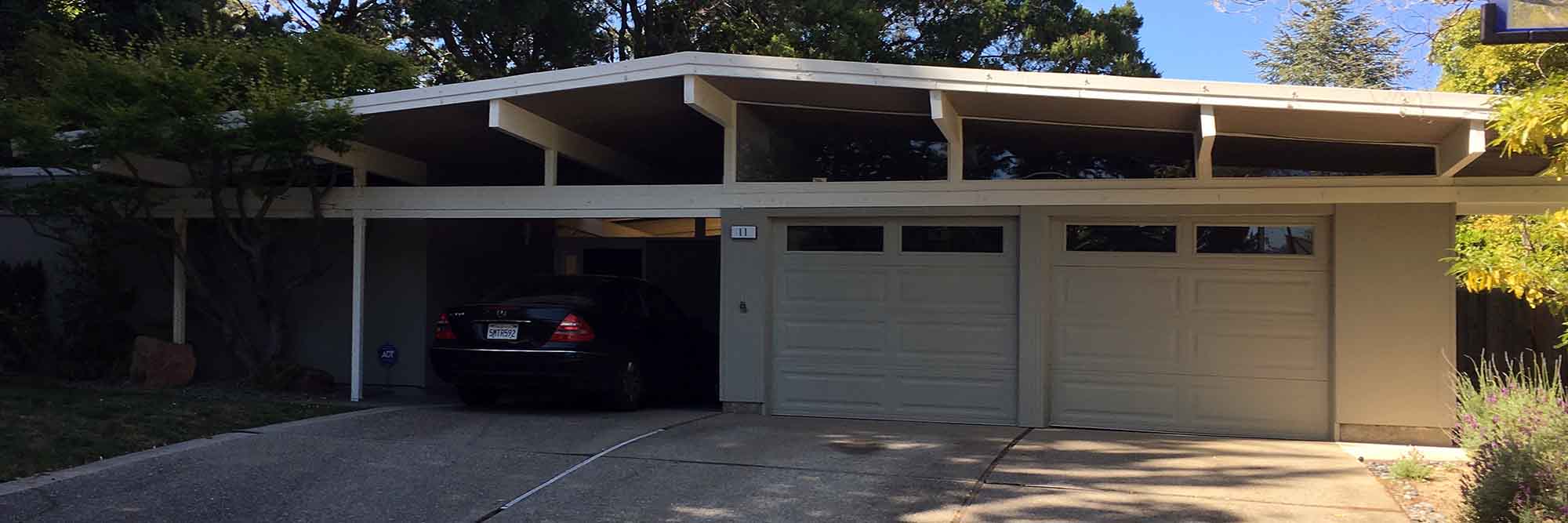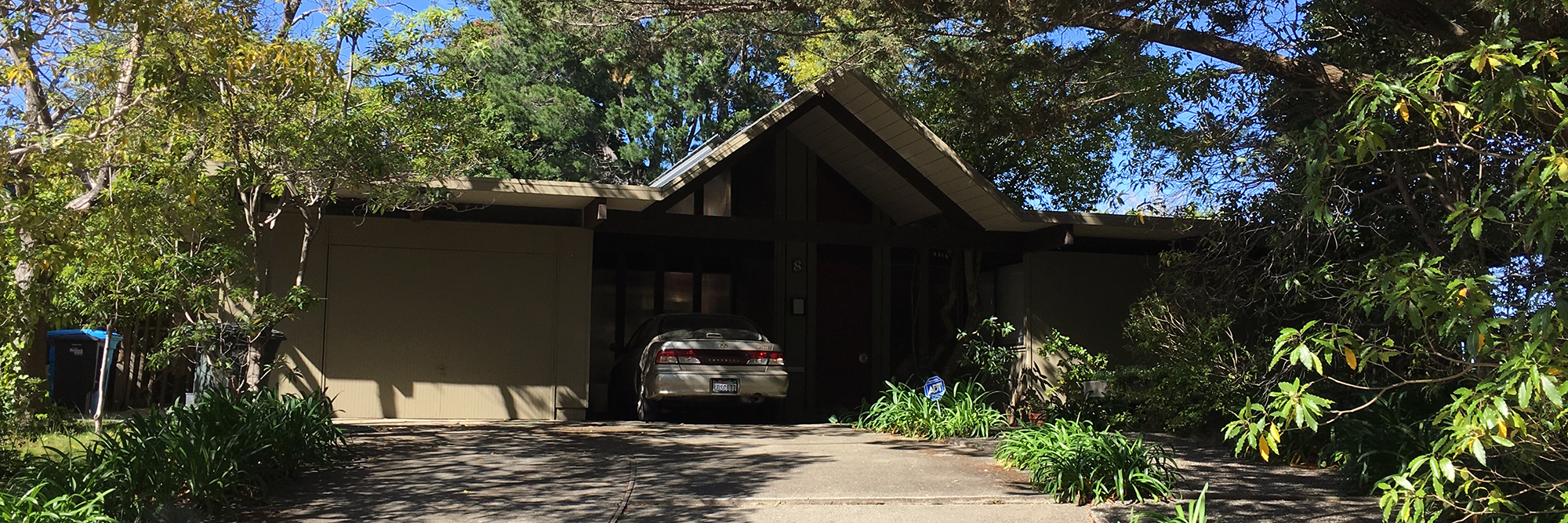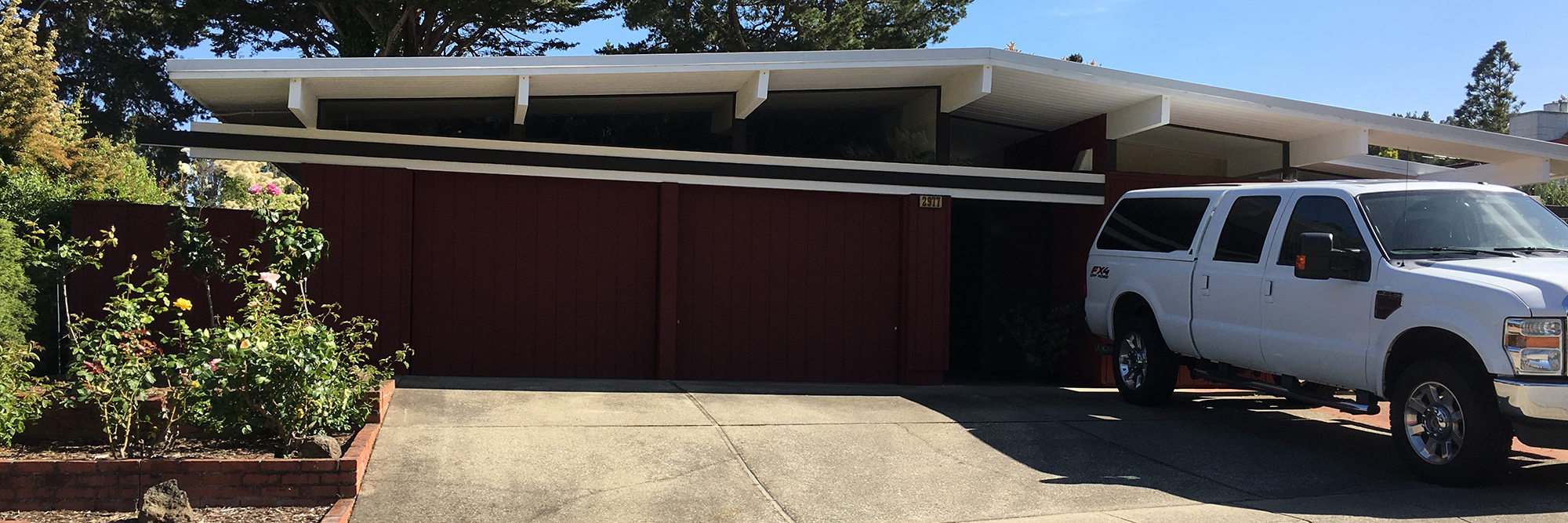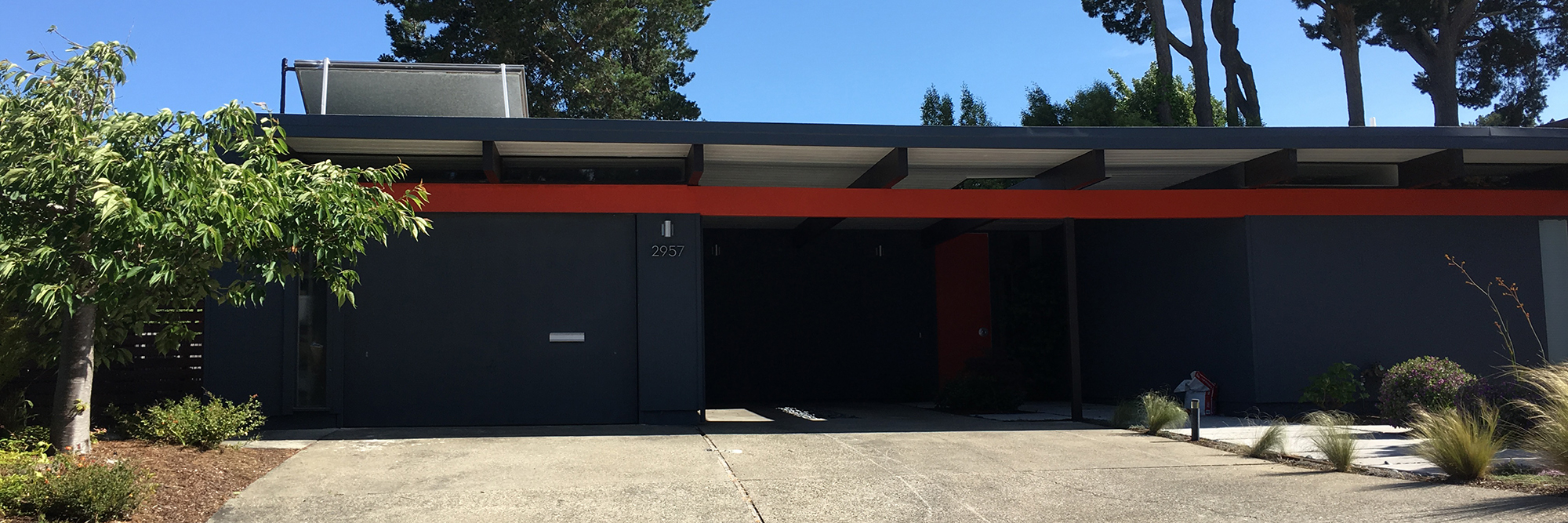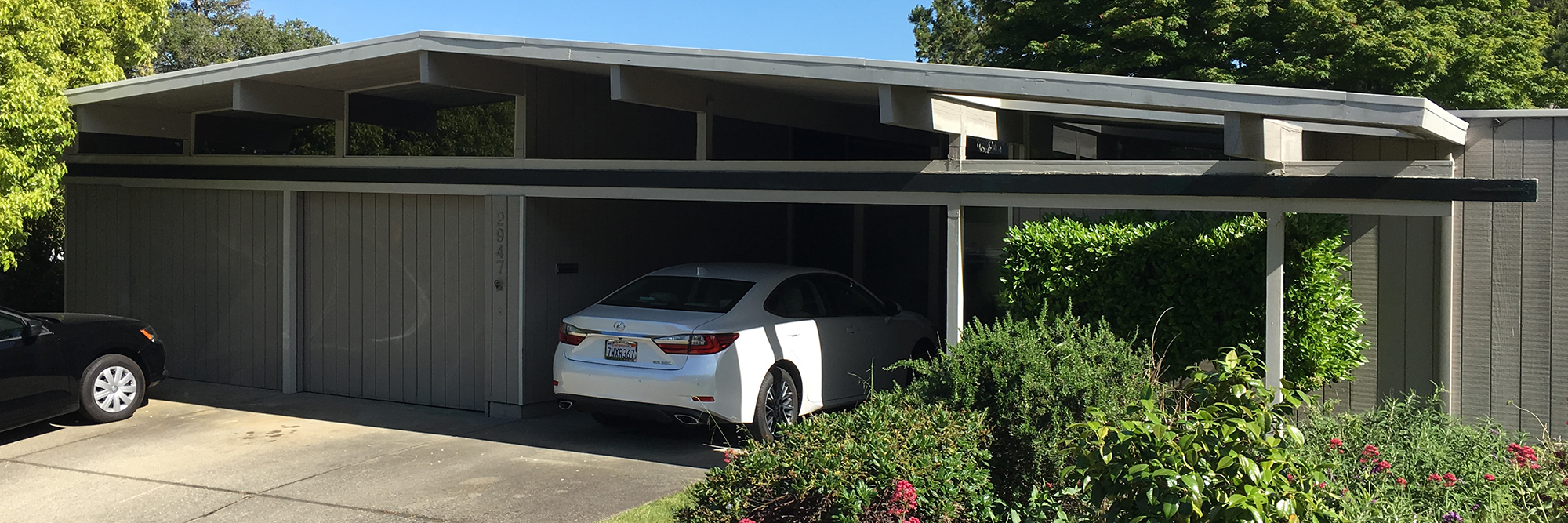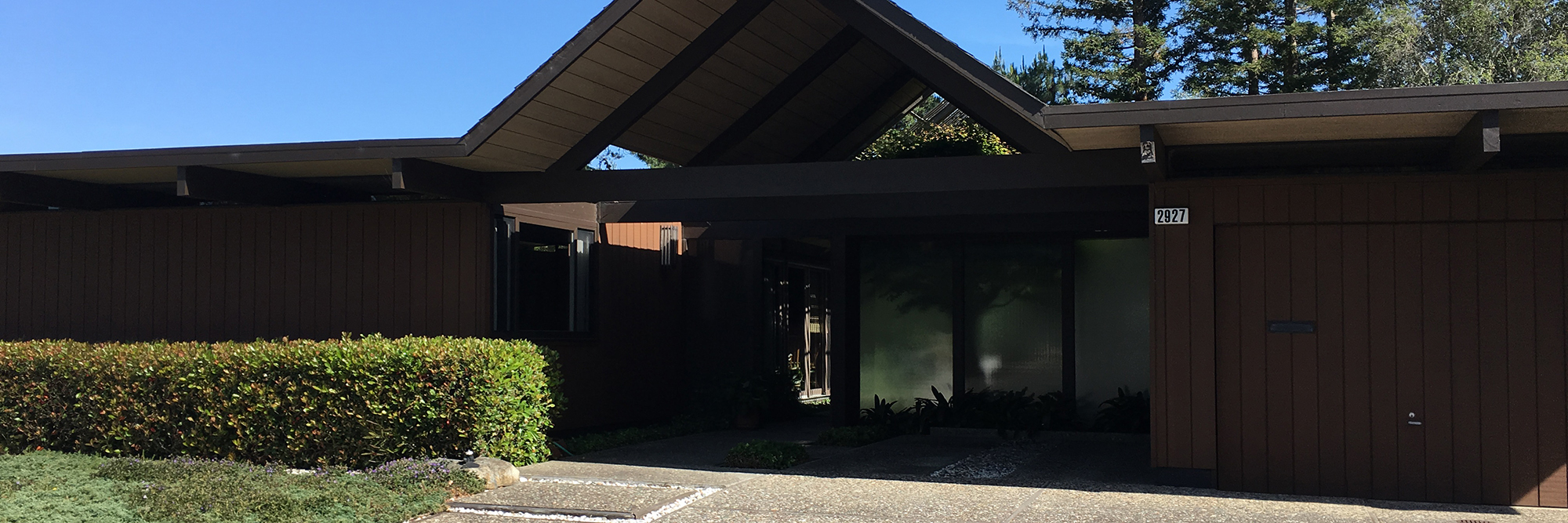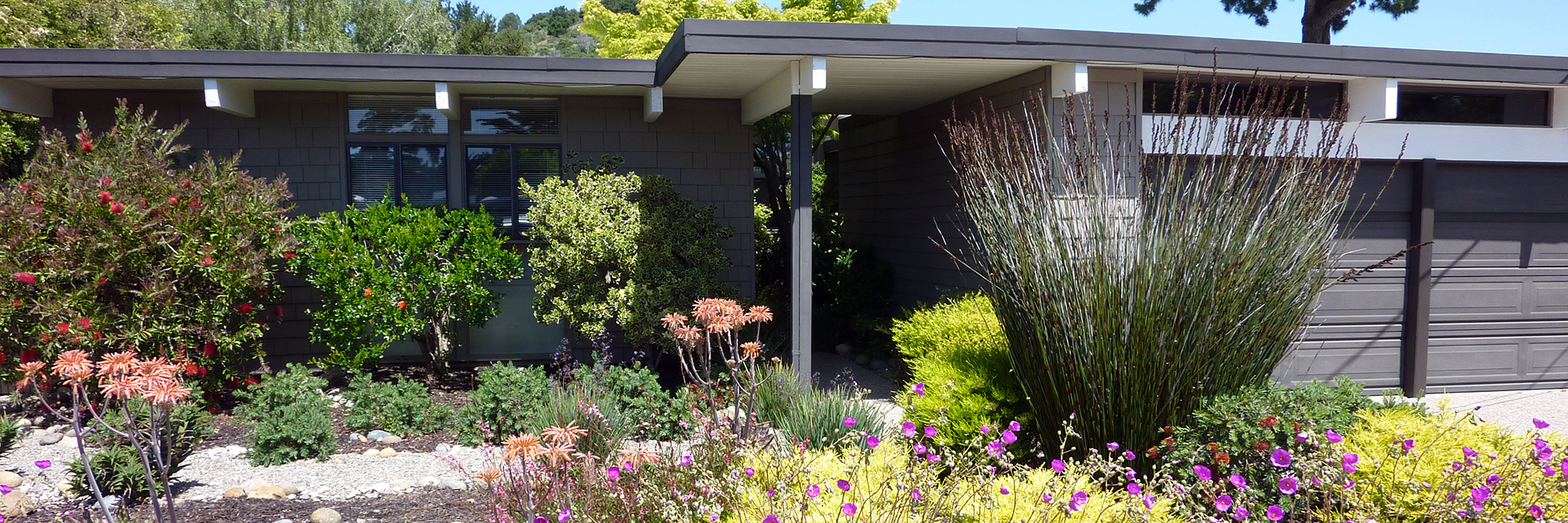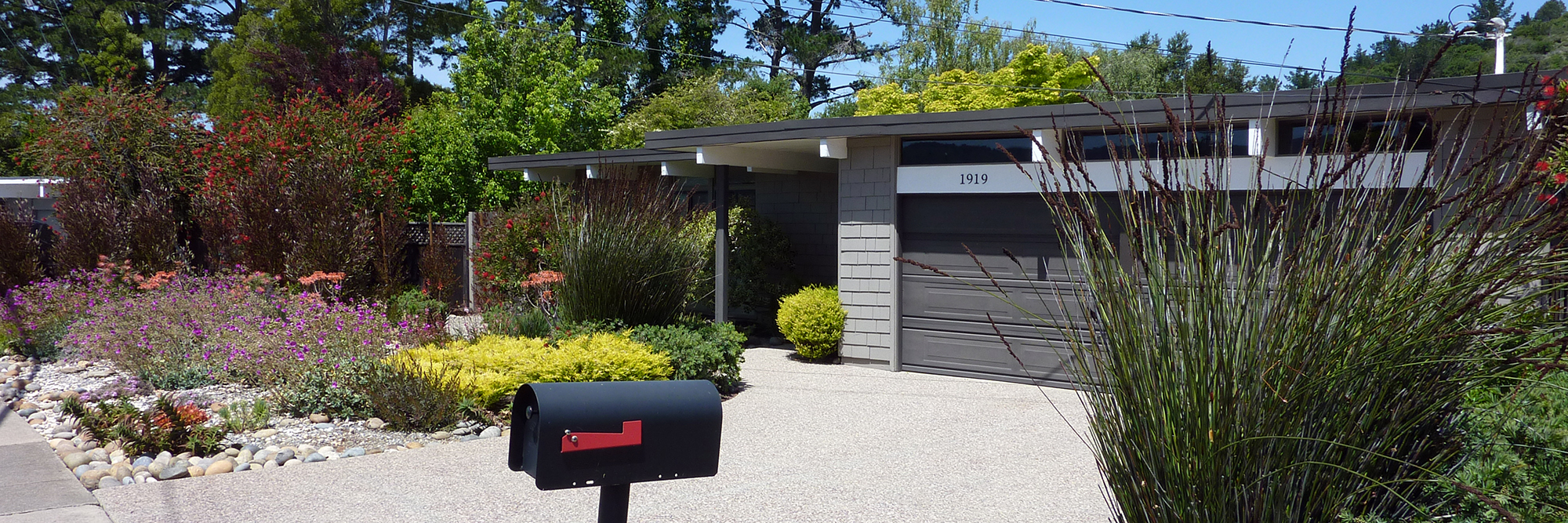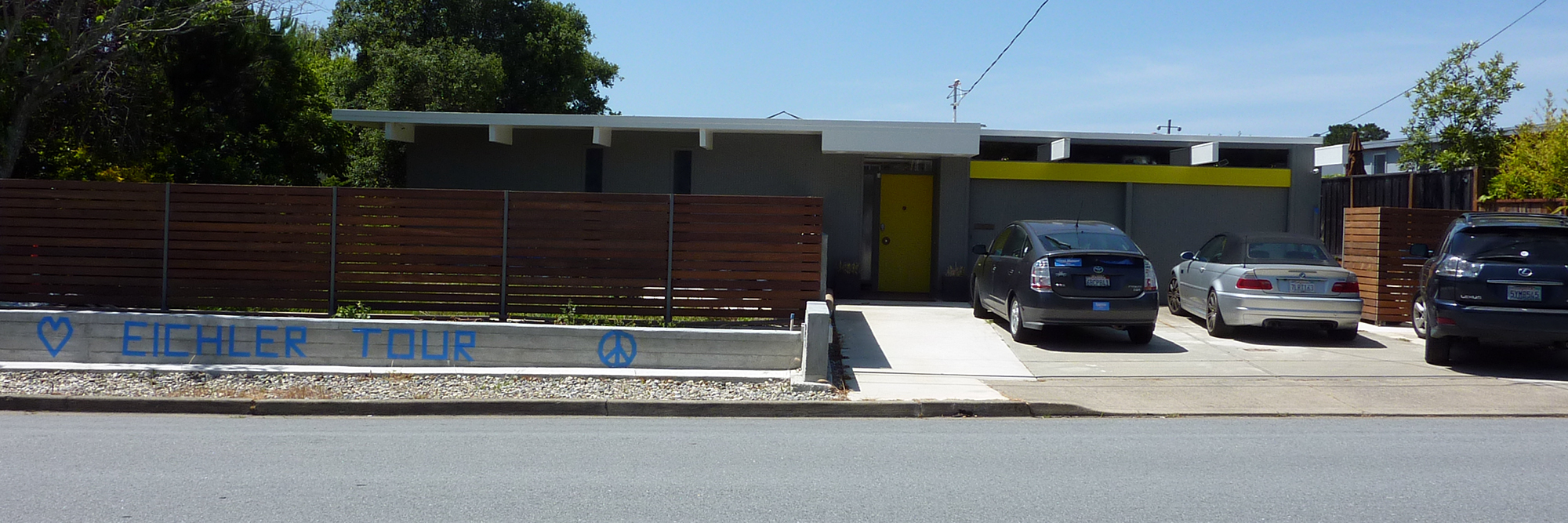
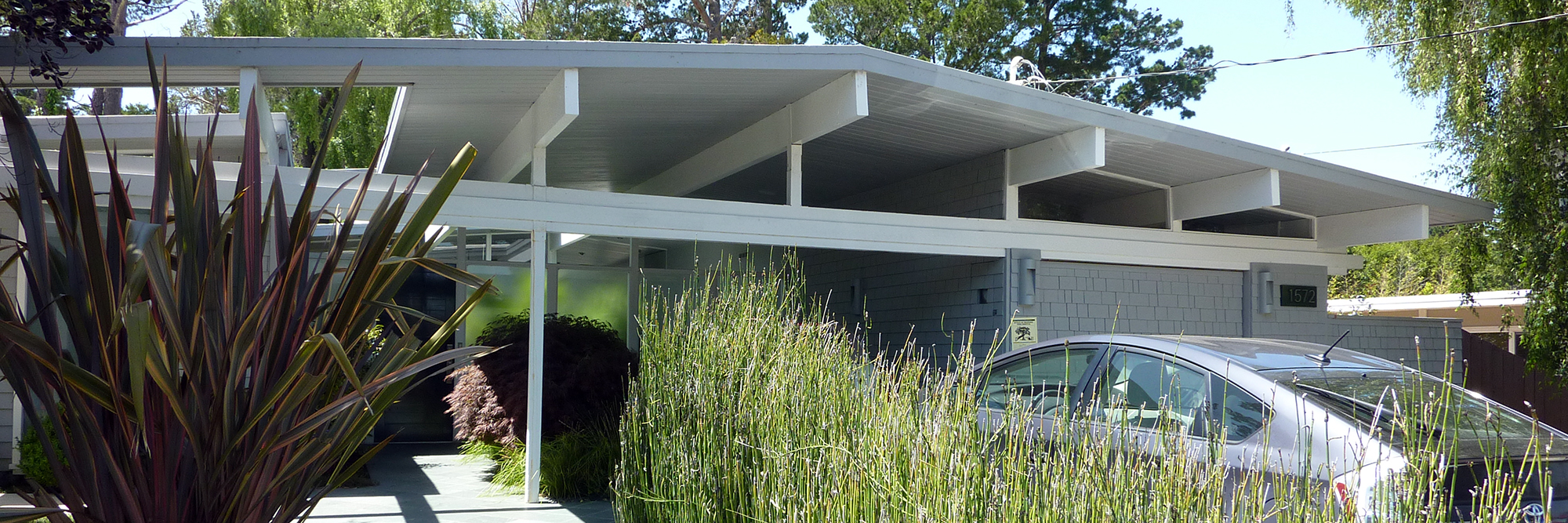
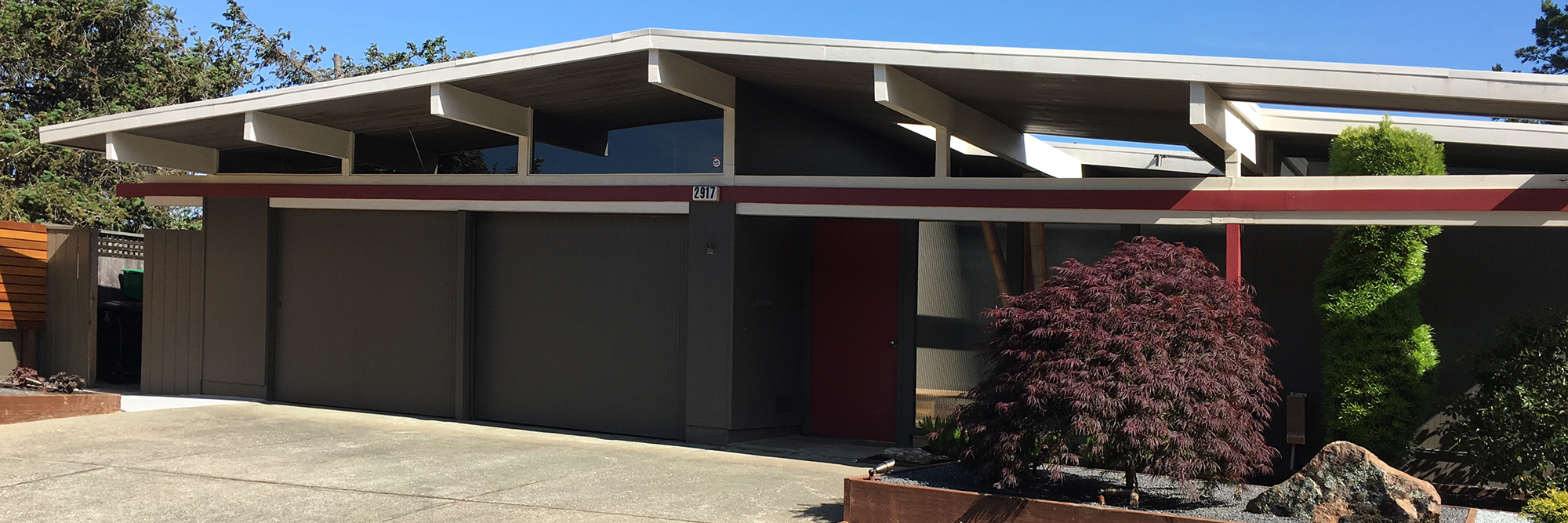
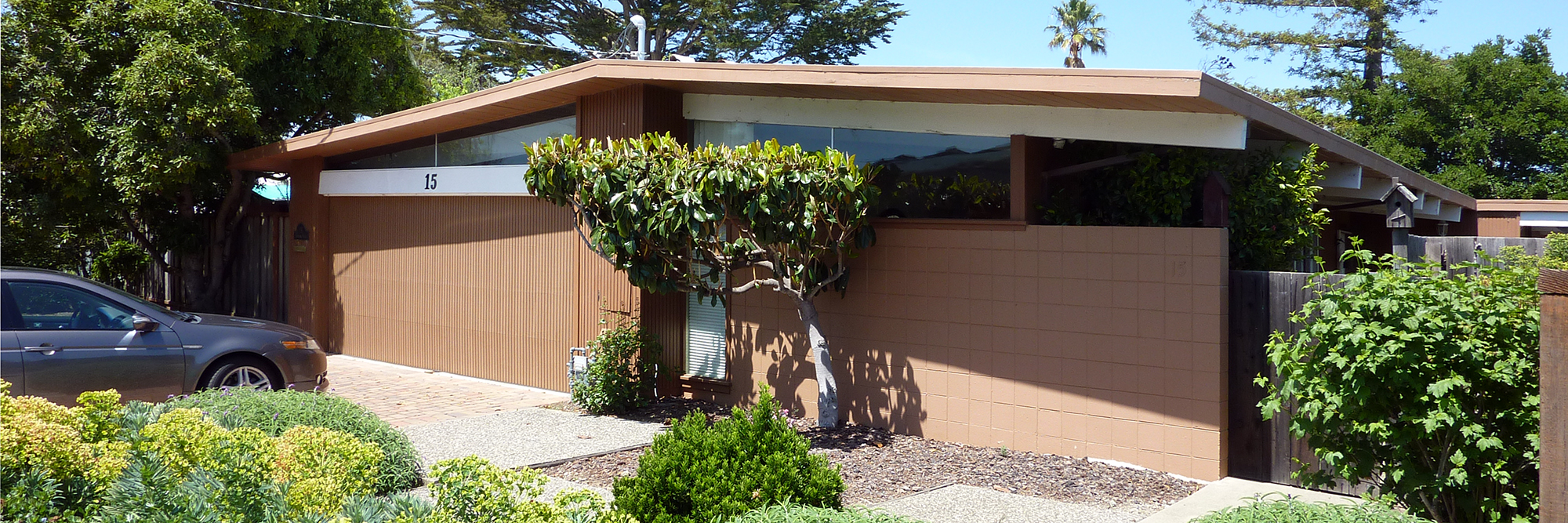
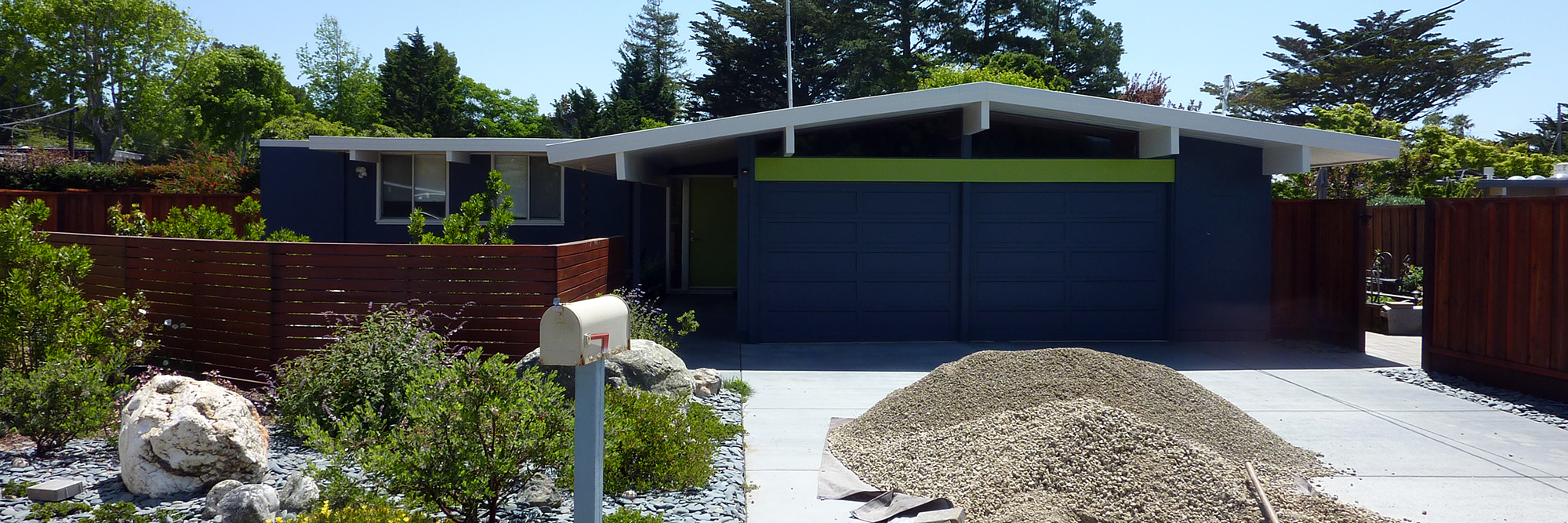
Joseph Eichler built iconic Mid-century Modern houses in California in the 1950s and 1960s. While he built over 11,000 houses over his career, the The Highlands of San Mateo, California is the largest contiguous development of Eichler homes. This past weekend, we had a chance to visit eleven of the approximately 700 Eichlers in the Highlands, as well as one in nearby Burlingame. We'll revisit most of them individually in this blog, but we wanted to begin with a gallery of houses that were not on the tour just so you can become familiar with the context of this unique late 1950s communities.
SAM Award Winner
Congratulations to RNDSQR and Gravity Architecture for the BILD Calgary Region SAM Awards win this past weekend. The eight unit project the Gravity team designed for RNDSQR in Mount Pleasant won in the category of Best New Design Villa/Duplex/Townhome 1,200 sq. ft. and over.
This project is one of Calgary's first R-CG rowhouse projects. It features seven two-storey-plus-basement rowhouse units, plus an additional two storey unit located above the garages on the lane. The residents each have their own rear amenity space, and also share a common courtyard amenity space in the centre of the property.
Pre Paint
The Brideland House was getting ready for interior painting last week. The windows were masked, the flooring was covered, and the heaters were running. Those oriented strand board sheets aren't part of the look; those are temporary guards standing in for the glass ones that will be installed later. The glass guards will be set into the aluminum shoe that you see in these pictures, and that shoe will be clad in black metal to match the stringers. A black handrail will be affixed to directly to the glass. (Those spruce steps are temporary as well!)
The exterior is also being worked on this week: black Longboard is being installed. We'll get some pictures posted here as soon as we can get them.
Farewell Schuler
Sadly, we said farewell to Larissa Schuler, our Intern Architect, last week.
During her six months with Inertia and Gravity, Larissa was involved in almost all aspects of our projects and our firm. She did some great schematic design work and helped us immensely with our marketing effort.
We'll miss having her energy in the office, as well as her sense of humour. All the best, Larissa!
Inertia's Front Entry
Front Entry Photos
We're wanted to pass on thanks to Gary Campbell for the awesomely vivid photographs he took of our projects and had printed for our front entry. These images were printed on metallic gloss paper by Resolve Photo. We then mounted them on wooden panels from Mona Lisa Artist Materials. There's one more photo in the foyer and a rendering in the boardroom, but you'll have to visit us to see those!
Gary doesn't just take pictures of buildings. He has a very diverse portfolio including some phenomenal fine art photographs. You should check out Gary's website.
PS. Thanks Evan for the card!
MA+DS Modern Home Tour 2016 - Part 2
In our last post, we discussed the first three projects we visited on the recent The Modern Architecture + Design Society Home Tour. The latter portion of our tour took us to the north west of the city. We went to St. Andrew's Heights, a neighbourhood blessed with amazing views and large lot sizes.
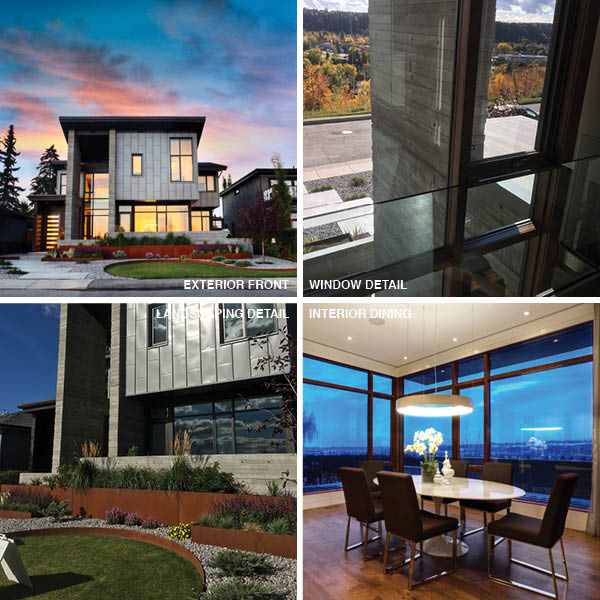
The NewGrowth House was an interesting contemporary design with an industrial feel, exemplified by the massive concrete walls of the house and the weathered corten steel fins used to tier the landscaping. We loved that the main architectural feature, the board-cast concrete wall, runs through the whole house and acts as a compass within the plan. The concrete on the interior was contrasted by the warmth of the dark walnut window frames. With it's front facing kitchen and dining space, the project captured light and views in the spaces most commonly inhabited by the residents.
We intentionally visited MBAC's house last and we wanted to end with a bang! Marc Boutin has always been one to push boundaries and create unique spaces, and we were not disappointed. The exterior features a factory-like corrugated metal siding paired with cedar tongue and groove. From the front, the house appears to be the size of a low-lying bungalow. However, once we stepped inside, we discovered that the grade quickly dropped down to the backyard and allowed for a full walk-out basement. The L-shaped house created a courtyard between it's two wings. The two-level elevations facing the courtyard were clad with full curtain walls spanning from the basement floor to the roof. Aluminum grating at the roof overhang shielded the space from direct sun without significantly limiting the views or light available to the spaces within. We appreciated the industrial and commercial materials used in a residential project; they were tempered with wood cladding and many delicate millwork details that kept the interior feeling intimate.
Overall, we were pleasantly surprised by many new design types and ideas that are starting to emerge in Calgary. We get the sense that local housing design is becoming a lot more sophisticated and bold. Here's to the future of residential!
MA+DS Modern Home Tour 2016 - Part 1
We're happy that as the residential design industry grows in Calgary, local practitioners have started to share their knowledge and experience with each other. The Modern Architecture + Design Society Home Tour was a great leap forward, where we got to experience first-hand some of the innovations our fellow designers have put to use.
Our first stop on the home tour was in Bridgeland (a community we are working in frequently) to visit a project on a narrow lot along 4th Avenue designed by KaBeN. Slim parcels have their own challenges, but KaBeN took on another by designing a sustainable house.
We were pleasantly surprised by the materiality of the house: the cork floors, plywood on the walls upstairs, oak on the ceilings, etc. The main floor was polished concrete, while the upper floor was cork—a great example of using materials to differentiate between public and private spaces. The narrow 22' lot meant that the interior would be quite tight, so partitions on the main were kept to a minimum and spaces, such as the kitchen, was delineated using bulkheads.
Our next stop was the reFAB design by HouseBrand, which was a project designed for aging-in-place. John Brown is addressing a growing market for individuals who do not want to move every time their life changes.
One of the features we loved most about the design was the built-in millwork that separates rooms instead of stud-walls. The house has core walls for mechanical systems, but otherwise has a modular room design that allows for alternative layouts as needs change without major renovation. We also liked the clever use of cost-effective Hardie-board cladding, which was tiered in gradients of grey to add more variety and tone to the exterior.
Next we visited RNDSQR in their show home in Marda Loop. They're experimenting with interior and exterior textures to add complexity to clean, streamlined designs. Exteriors feature natural-tinted cedar shakes on west-fasting facades while the interior showcases an patterned steel screen to act as a guard for the stairs and geometric tiles on walls and bathroom counters tops.
Stay tuned for our next post too see the other houses!
Stair Install
Some magic happened at the Bridgeland House today: the steel stringers were installed. A feature stair is always something to celebrate, and we're certainly partial to power-coated steel.
Powder-coated steel is a material that never goes out of style. It's the material that we are used to seeing in an industrial context such as warehouses and factories because these uses required durable finishes. When these spaces gentrified into art-galleries and lofts, the rough-and-ready aesthetic persisted.
We have gotten so used to seeing powder-coated steel in these converted industrial buildings that it is no longer a foreign material in a residential context. That said, it is not a common material and still makes the strong statement that a stair is not just a means of getting from floor to floor, but an object of beauty in and of itself.
The C-channel stringers have two flanges are on the outboard side of the web, giving the stair a "book-ended" look. Angle iron flanges are welded to the inside of each stringer to support the treads. The treads will be routed out so that the angle iron will be flush with the underside of each stringer.
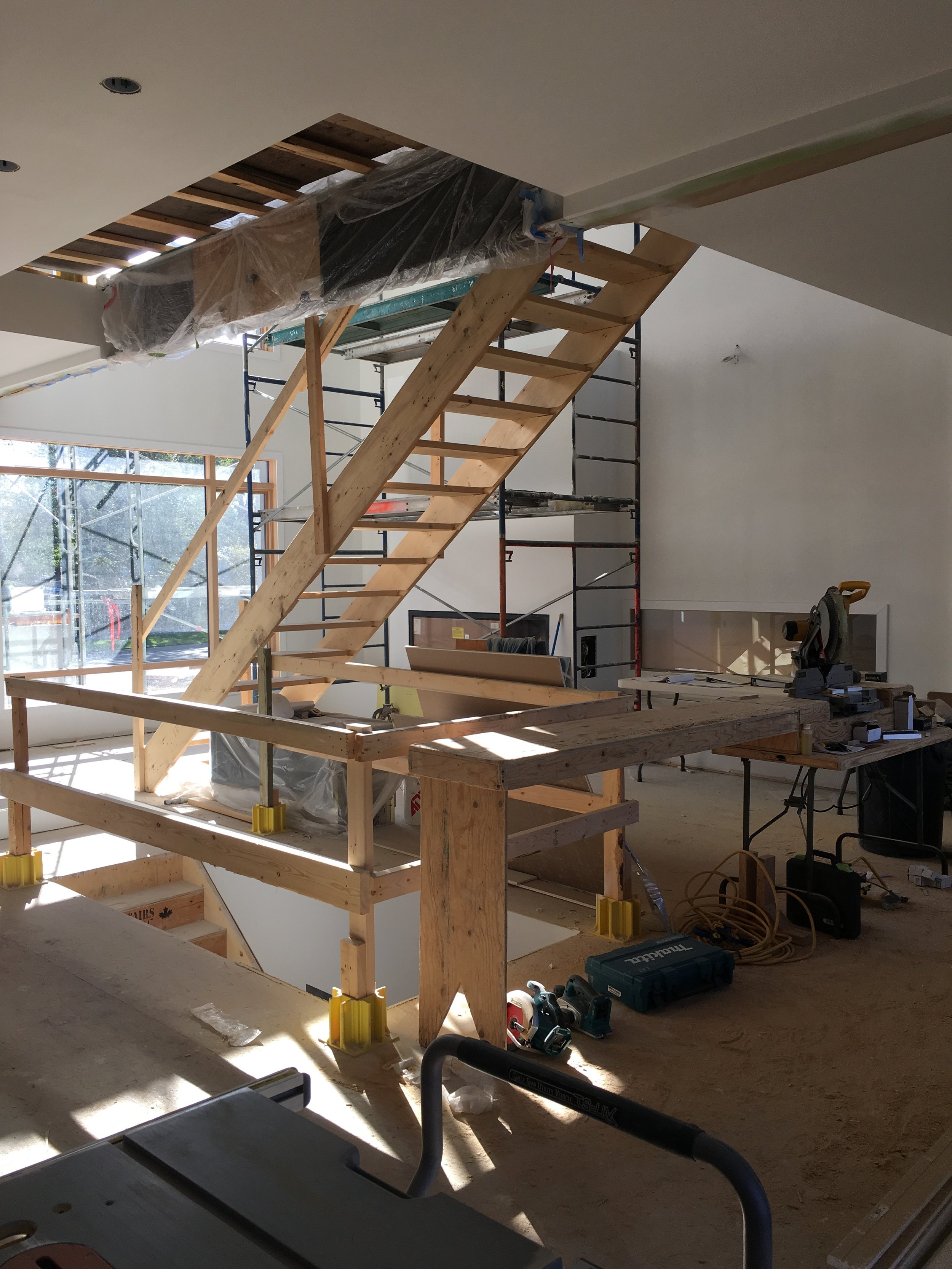
This stair looks great with the matching exposed I-beam (protected by plastic in the image above). This I-beam doesn't just look pretty. It is supporting half of the second floor. Steel beams are very useful when spanning long distances without intermediate posts to support it. The result can be an open, continuous space, uninterrupted with vertical structural elements.
I don't know what else to say other than that these stringers are awesome! (Thanks to Gary Campbell for the photos.)
Steel Stringer
Maybe is seems strange to get excited about a chunk of C-channel extrusion, but it makes more sense when you know that it forms one of the steel stringers of the open-riser stair in our Bridgeland House. These stringers will be powder coated to match the exposed steel beam in the house and together will look awesome! Thanks to Gary Campbell for this photo.
Parkhill Rendering
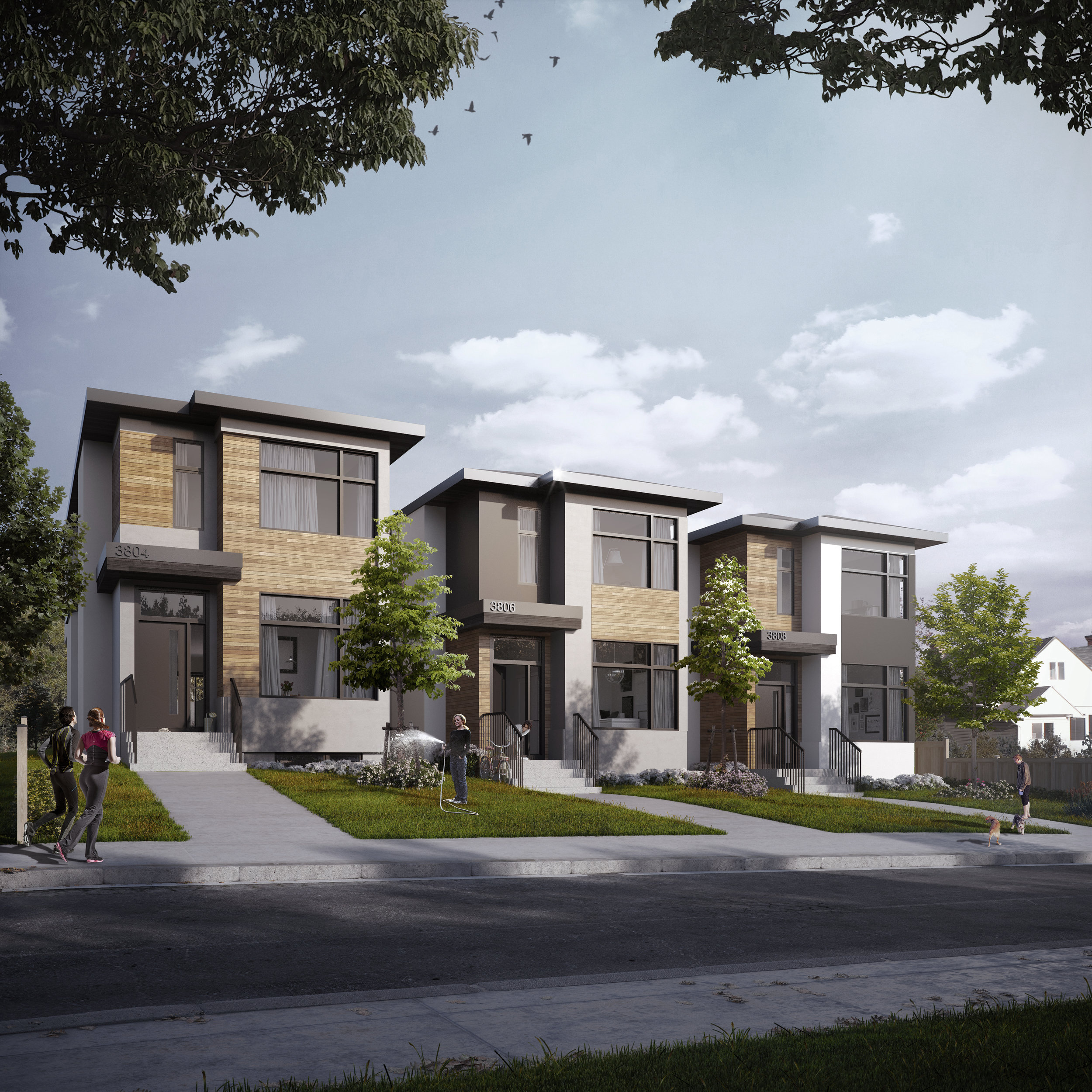
We've recently rendered a trio of single units being built in Parkhill. The left most house in the image is built, and the rendering is intended to illustrate what the streetscape will look like when all three houses are completed.
When orchestrating a rendering, we understand that our clients are asking for an image that will advertise their buildings convincingly. A rendering must capture the lifestyle of the community and project the mood of future residents for it to tell a story that purchasers can imagine themselves a part of.
We rendered the image with an intentional colour palette in mind; honey to bring out the woods, deep grey to emphasize the modern lines of the infills and soft blues to contrast the honeyed wood and white stucco. Using the palette, we started to create patterns that contrasted and complimented the three new homes. For example, the honey-tones are reiterated in the lighting, landscaping and even in the people in the image. The overall image feels engaging, real, simple and clean, allowing the focus to be on the buildings and what it would be like to live in them.
Perspective elevation of the small Micro-Home.
Eureka Micro Homes
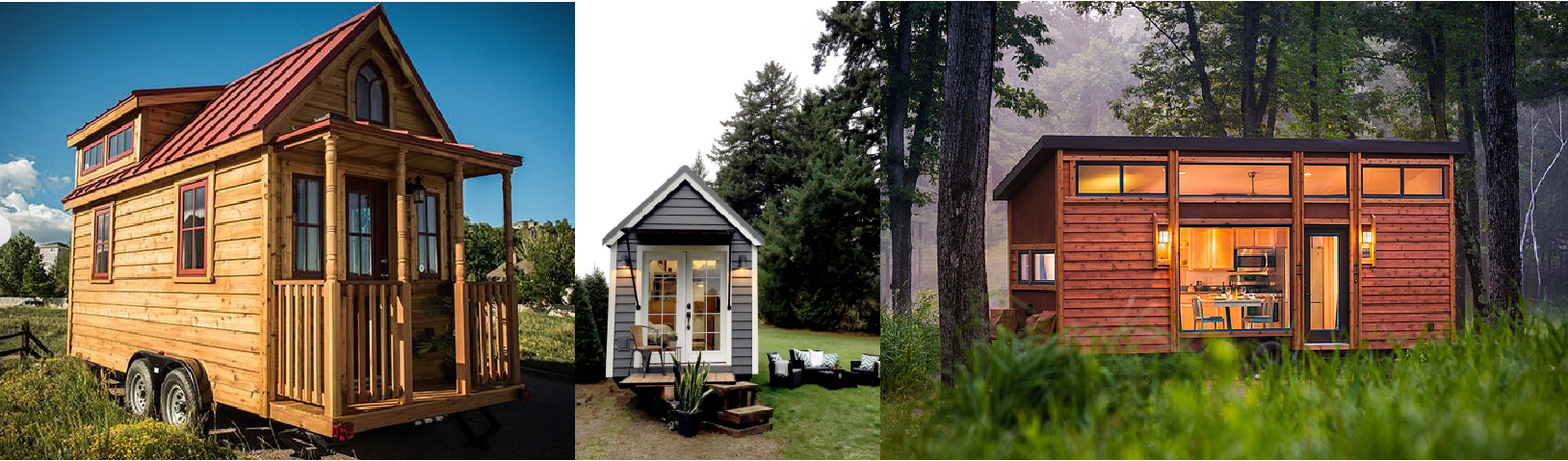
Micro homes are really starting to be a trend. It's a whole movement of having a minimal lifestyle and living small. Some are used just for travelling, others for living.
From Left to Right: Tumbleweed House "Elmy", Tiny Heirloom "Victorian in Indianapolis", and Escape Traveler "Traveler" House.
We designed a version in partnership with Niklas Group. Our designs are just as warm and welcoming as some of the tiny-houses' predecessors, but we've added a modern twist!
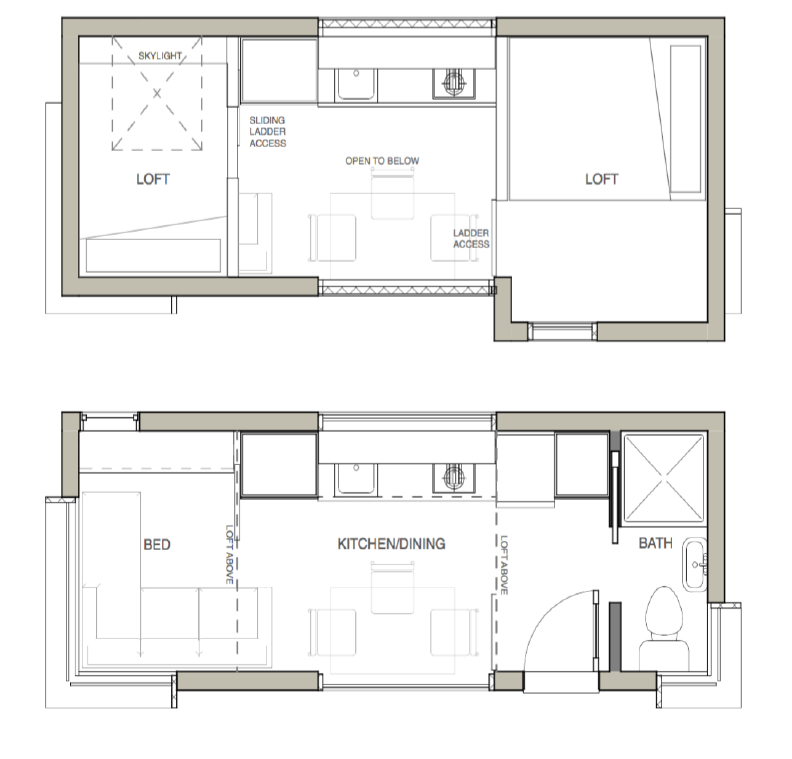
Main floor plan of the small Micro Home.
Our intent was to use vernacular house shapes for these little 170 square foot homes, by having pitched roofs and cladding the exterior with blonde cedar. Lots of glazing was used to bring in the outdoors and make the interior feel spacious. One feature we really love is the ribbon of glazing that extends from floor-to-ceiling on one side and then becomes a skylight on both sides of the roof pitch and finally comes down to the kitchen counter!
Perspective elevation of the large, 2-storey Micro-Home.
These houses are designed to be assembled off-site, then pulled like a trailer to a location out in the wild! How lovely and wonderful would it be to have a little, portable, mini-cabin! We designed two versions, one that can accommodate two people and another for as many as six (which is 317 square feet!)
Main and second floor plans of the large Micro Home.
So, now it's your turn! Would you get one?
Great Light
We're thrilled with the quality of light in the living room of the Bridgeland House! You can see in this image the steel beam that supports the upper floor which will be exposed in the stairwell and living room. The wooden stair in this image is temporary. We're looking forward to the matching steel staircase being installed.
Thanks to Gary Campbell for this photo.
Artificial Grade
We think of the ground as something stable and permanent. When we are between buildings, it is the firm plane that we all most commonly navigate on. We consider the ground to be a natural, perpetual, and unchanging presence.
Architects and designers also think of it in another way, as grade. Grade is the shape of the ground, and architects are particularly interested in where it meets their buildings. Grade is artificial. It is shaped to meet our needs—mainly to help us navigate from place to place, building to building.
A recent Episode of 99% Invisible discusses this issue in some detail. It describes how downtown San Franscisco is built up on a substrate of gold rush era ships. It talks about creating new land in Dubai and Singapore, as well as the issue of illegal sand mining. Also, it discusses the archaeosphere, the geographic layer of the earth the we ourselves have created over time.
Bridgeland Hillside Photos
Interiors, Mudding and Mechanical
If you know Gary, you know that he is a creative, meticulous, and inquisitive man—which makes him an interesting client. Since Gary and his wife, Heidi, live just a few blocks away from their new house, let's just say they're on site more frequently than we are! It's evident that Gary is fascinated with how complicated and intricate construction is, and their house is benefitting significantly from having such engaged clients!
Quite a lot has happened inside since our last post. The drywall is up and we got to see the mudder on his stilts finishing off ceiling edges. Can you imagine how impossible a task it would be without the stilts? These are ten foot ceilings!
We also got to take a peak at the newly finished utility room and, if you're construction nerds like ourselves, you will be amazed at how organized everything is! Have a look:
Gary's builder is Rusch Projects, and it's been a pleasure to work with them on this project. Just before we left, we ran into Phillip and Oliver from Rusch and discussed recent developments and brainstormed alternative solutions for a few design changes. We're going to see more of the steel beam that we originally anticipated!
It was also great to see the massive slider from Gaulhofer looking out onto the back deck. (You might remember Gaulhofer from a previous post.)
Bridgeland Photoshoot
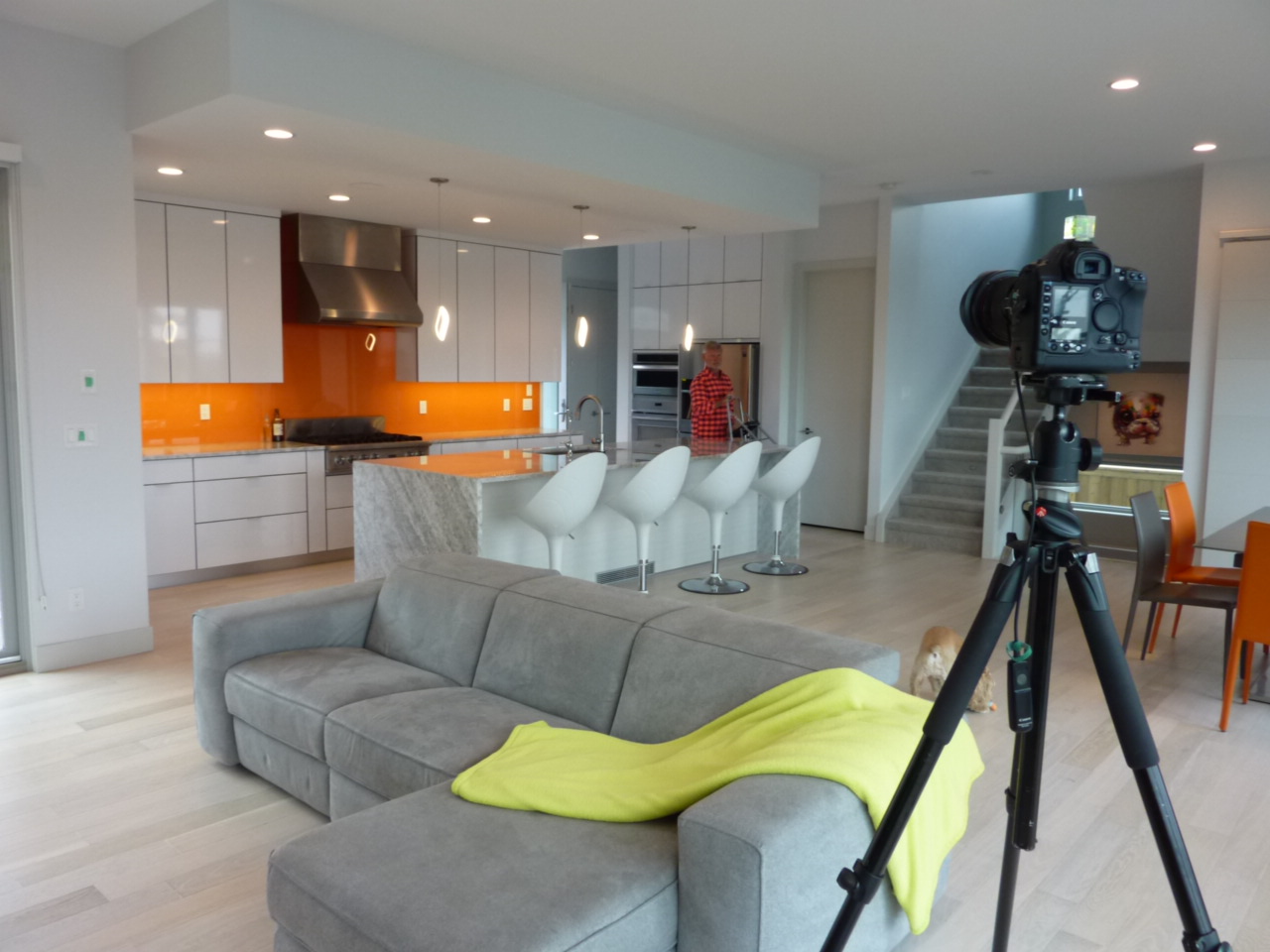
The week before last, Gary Campbell came out to one of our houses in Bridgeland to shoot the interiors.
We wanted to share some of the behind-the-scenes fun with you while we wait for the final images. We'll let you know when we have all the shots ready to share!
It's always such a pleasure to work with lovely and brave clients—just look at that orange! Apparently our client and his wife's favourite colours are green and orange and the decision came down to a friendly rock-paper-scissor show down! Needless to say, we are very partial to orange...
It's quite interesting how much prep-work goes into a single image. Selecting the angle is all about including as much information as possible, while keeping in mind overall composition, the quality of light coming from different sources, the height of various light-fixtures, etc. It's no wonder Gary's wife, Heidi, is also his assistant; she provides a second set of discerning eyes to edit the scene as he preps his camera.
One of the biggest questions we had to address was showing personal items in the house. This is a huge editing question that is hard to balance. Magazines, such as Dwell, often photograph projects where people and their furniture and their kids and even their dogs are included—it gives the images a certain warmth. So the owner's adorable dog, Fobby, became our model. Now it was just a question of making him understand that his job description had changed for the next few hours:
Gary and Fobby became pals, eventually. We're trying to encourage Fobby to get his own LinkedIn page so his followers can endorse him for sitting, staying, shaking and modelling.
You might ask, how does one live in a house without all the stuff you need on a day to day basis? Let's just say that it was never far away....
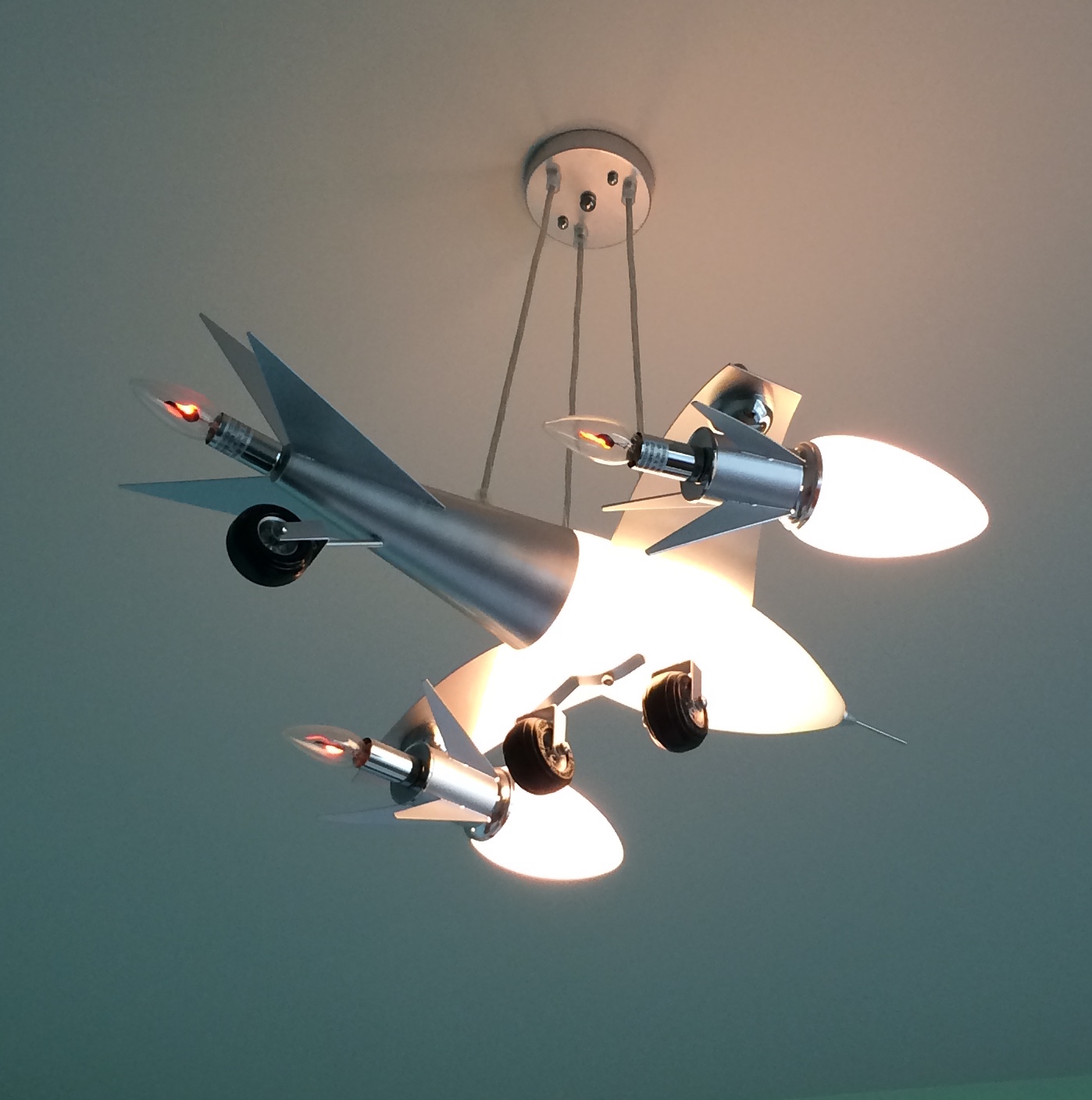
As we went through the rest of the house, we quickly realized that our clients have quirky taste in lighting too, and the best of the best was their son's bedroom ceiling fixture!
If you want to see this thing's real magic, visit Gary's Instagram page: https://www.instagram.com/p/BJUCgBShuGc/?taken-by=captcampbell
We had a lot of fun photographing this project of ours and seeing it so loved by its owners. And we learned an important lesson about playfulness with interiors: don't shy away from colour!
Office Skydivers
Normally, we think we’re pretty lucky to have the great staff that we do. Occasionally, we’re lucky just to have them stay alive long enough over the weekend to show up again on Monday morning.
The steadfastly responsible, somber and occasionally comically derisive Tom Jenson skydives far more frequently than anyone would expect. He started two years ago and had done it at least three time and has plans to go again. He says he skydives as a way to celebrate his nieces' and nephews' 18th birthdays, but we think he might start doing it for no reason at all.
His affection for skydiving has been infectious and this past weekend, Chris Fedyna joined him!
Coffee
Some of us here at Inertia are fans of coffee. We are fairly indiscriminate about our modes of coffee making. Yes, we have a Keurig and a Nespresso machine. We also have a grinder and a French press. What we haven't had is a coffee shop that we can walk to.
Now, this was a deliberate decision. When we signed the lease on our Highfield office we were very busy. We contemplated renting an office with a more fashionable address. But Inertia has been through one downturn in it's history, and we've learned that the last thing you want when things get slow is high overhead. As well, our commitment to our staff is unwavering, and we didn't want to be faced with the prospect of eroding our team just to pay the rent.
Which brings me back to coffee. Early in 2014, we were watching an episode of Comedians in Cars Getting Coffee (which we recommend for obvious reasons), and Jerry Seinfeld took Patton Oswalt to a Handsome Coffee, a shop in Los Angeles that was quite clearly in the middle of nowhere.
We decided to check it out. Last year, when we were in Los Angeles for the Dwell Home Tour, we took a detour to the industrial wasteland south of Downtown Los Angeles. The coffee business was going strong (as was business at the taco truck outside that would deliver your tacos right to your seat in the coffee shop!). Bluebottle has since purchased the location (and the talent), and a restaurant has moved in across the street, but we still had to pass a number of crumbling brick warehouses and razor wired lots to get there from our parking spot.
We thought, if Angelenos can have a coffee shop in the middle of nowhere, why can't we! And yet we didn't ... until just a few months ago.
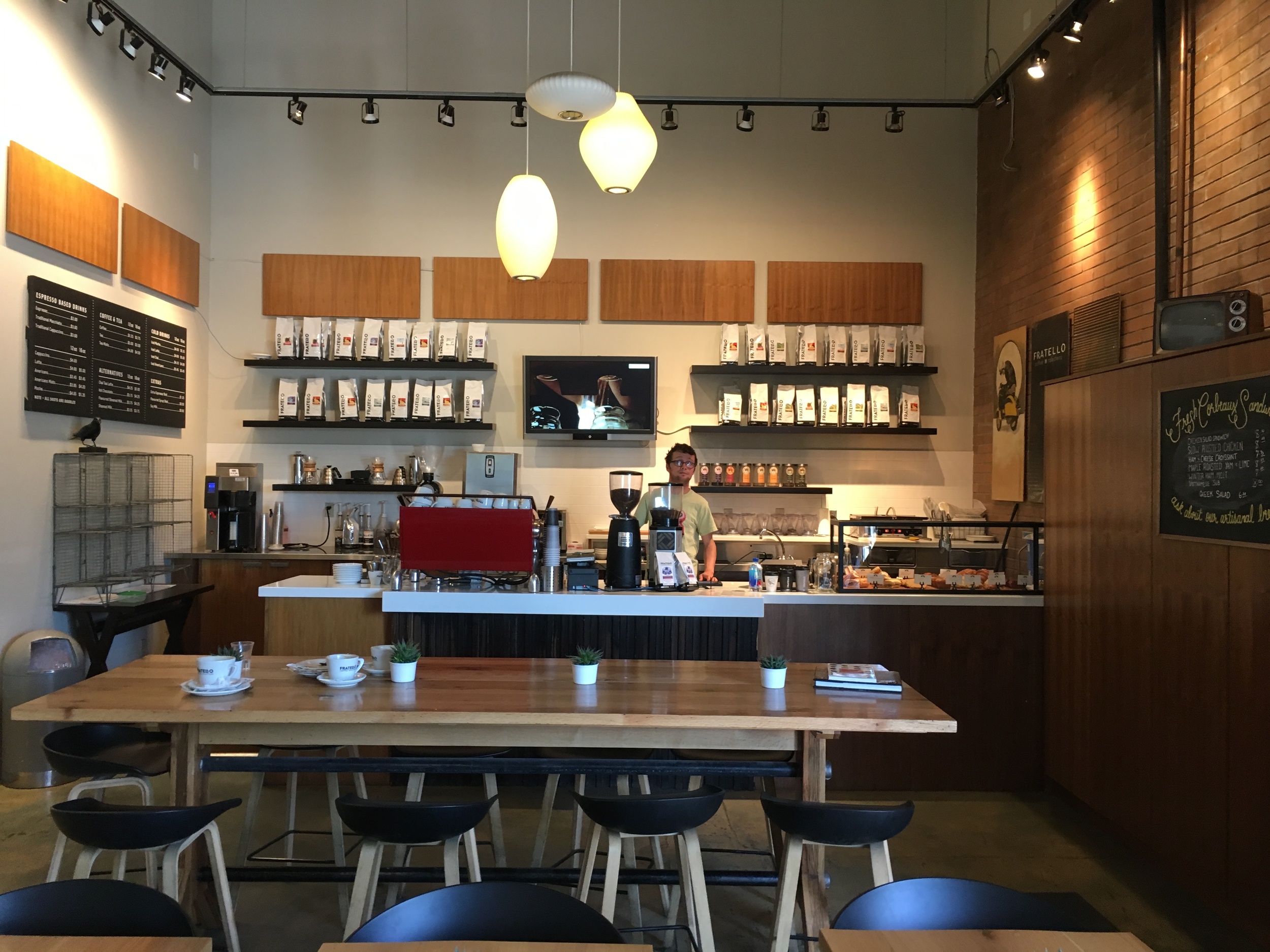
Fratello Coffee Roasters has been in the coffee business coming on thirty years. Their roastery on 9th Street SE has served a growing number of Analog Coffee locations in Calgary as well as a much broader network of shops that serve their beans. And, a few months ago. they decided to open their training counter up as a full service coffee shop!
We're thrilled to be able to walk to our local coffee shop. And it's not just any shop; it's arguably the best coffee in the city. We recommend to all of our clients (and everyone else) that you pay a visit when you're in the neighbourhood. And say 'Hi' to Darcy from us!
Garage Slab
Progress continues on our Bridgeland House. Just the other day the garage slab was poured. It may seem like a basic thing, but it was more complex than it looks. Our neighbours' grade became higher than expected during their redevelopment. To avoid the possibility of their drainage collecting in our backyard, we wanted to raise our rear grade as high as possible. The grade of the back lane is fixed though, so any change in grade had to be transitioned over the garage apron and slab. But of course no-one wants to have a steep slope in their garage. The team at Rusch Projects were able to twist the apron just enough to raise the slab and therefore the backyard grade.
Framing Complete
We were on site at our Bridgeland House yesterday for a final framing review and had a chance to see the framers load the basement stair. While it's not something you think about much when living in a house, it's a significant component that takes a lot of effort to load and install. However, we think the steel and timber stair that goes to the upper floor will be even more work.
Compliments to Rusch Projects and their framing team for an excellent framing job!